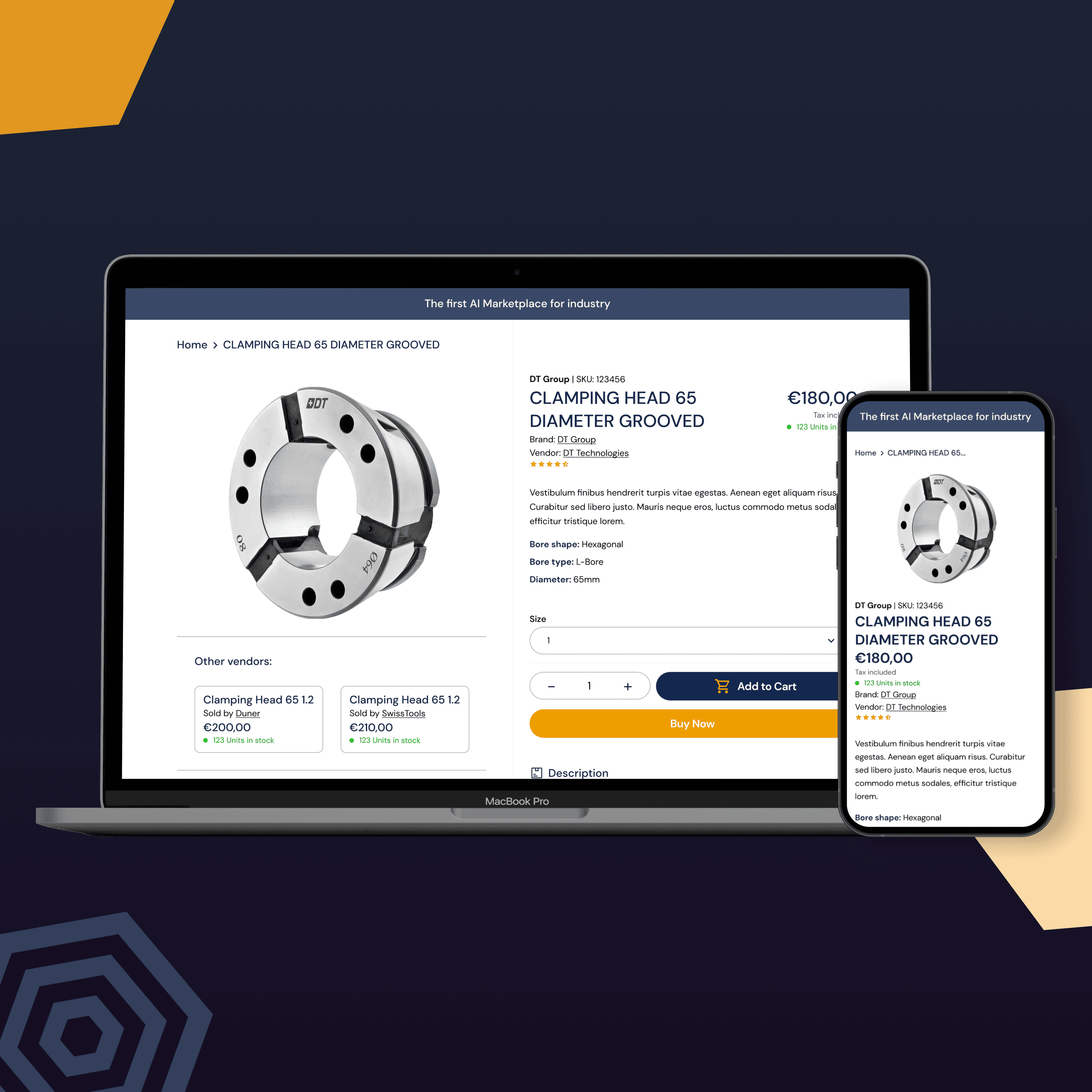
Hectool is a B2B industrial tooling marketplace. I designed core flows, interaction logic, and high-fidelity UI screens to simplify complex product variants and build trust in a traditionally manual, relationship-driven industry.
"Industrial tooling procurement is slow, manual, and fragmented. Buyers lose time sourcing parts; suppliers rely on outdated catalogues. Hectool needed a modern marketplace to unify workflows, reduce errors, and support automation."
"Industrial tooling procurement is slow, manual, and fragmented. Buyers lose time sourcing parts; suppliers rely on outdated catalogues. Hectool needed a modern marketplace to unify workflows, reduce errors, and support automation."
Buyers need speed and clarity.
Product complexity overwhelms non-expert users.
Suppliers require bulk uploads and automated attribute mapping.
Trust and reliability matter more than visual flair.
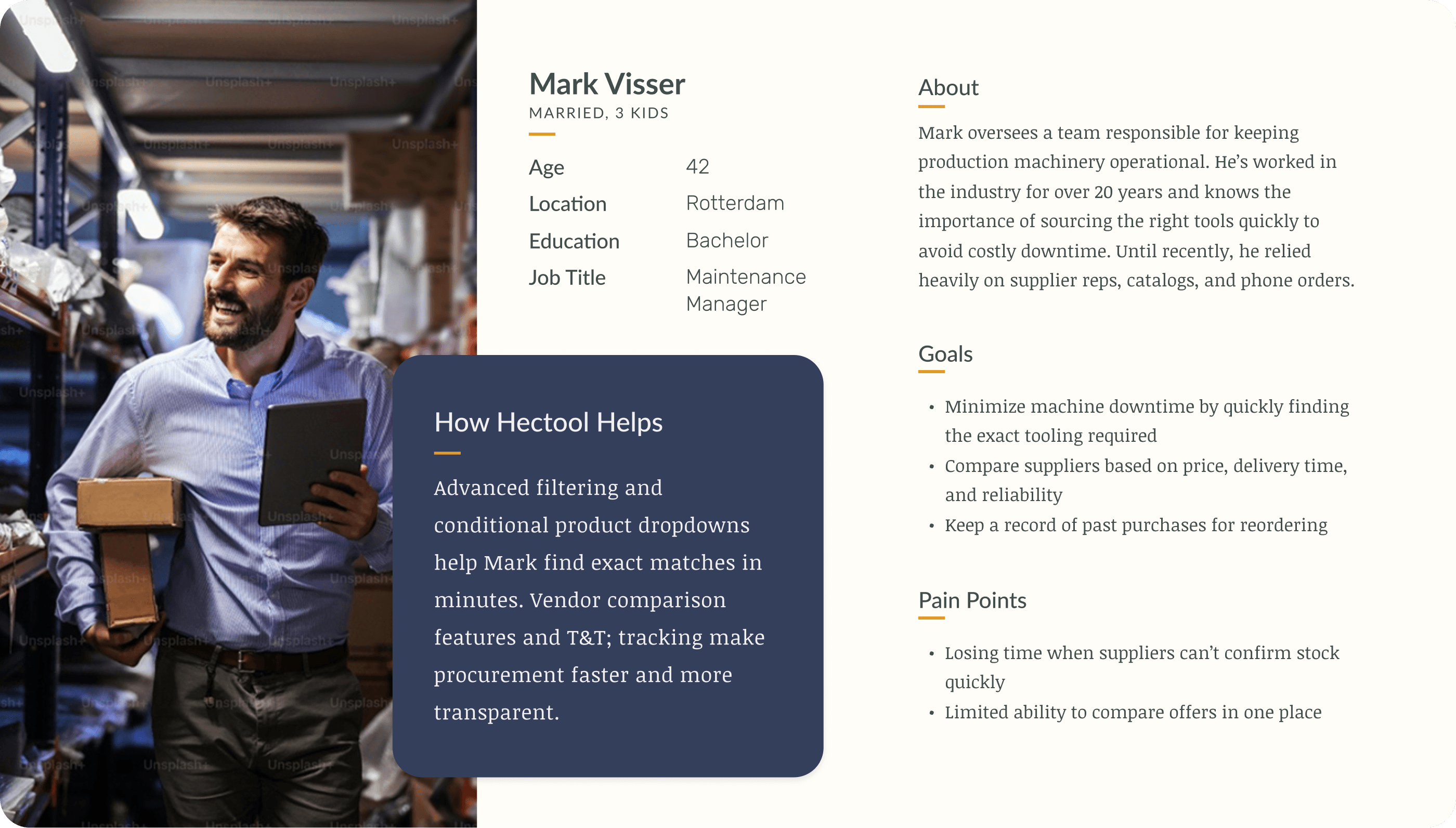
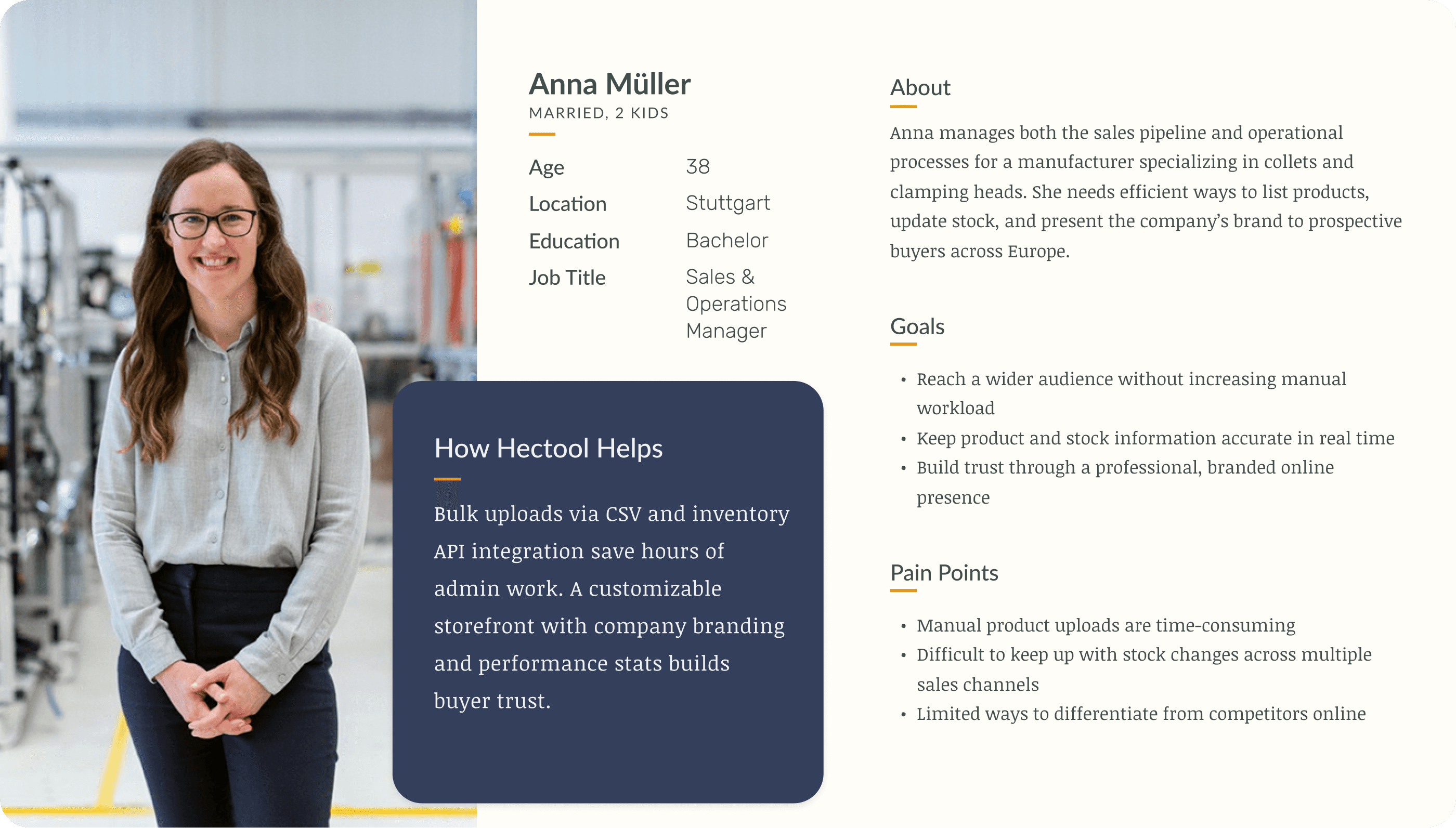
Reduce cognitive load
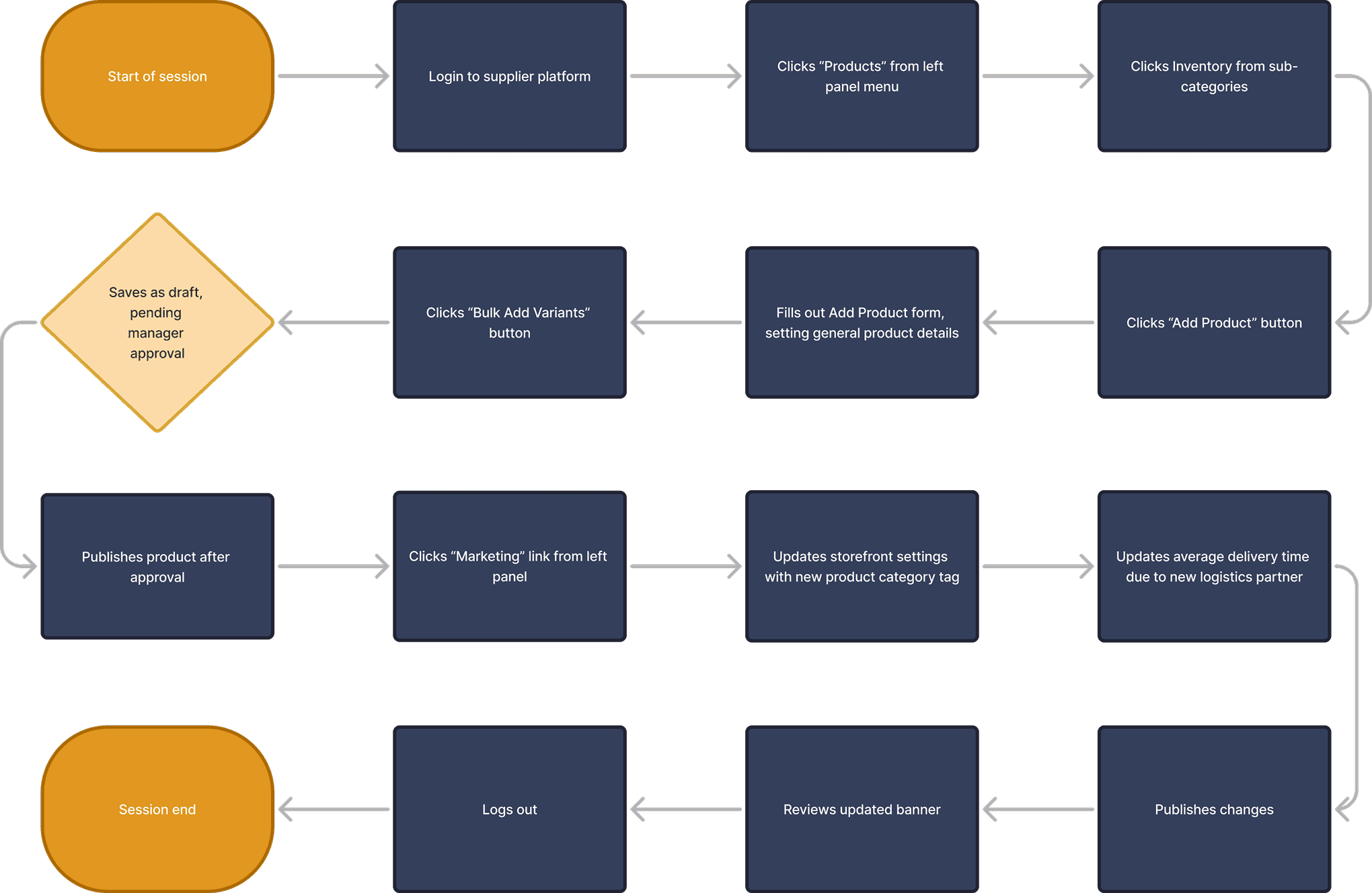
Make system architecture visible
Enforce business and data logic through the UI
Build trust through consistency and clear information
Design for scalability across many products and variants.
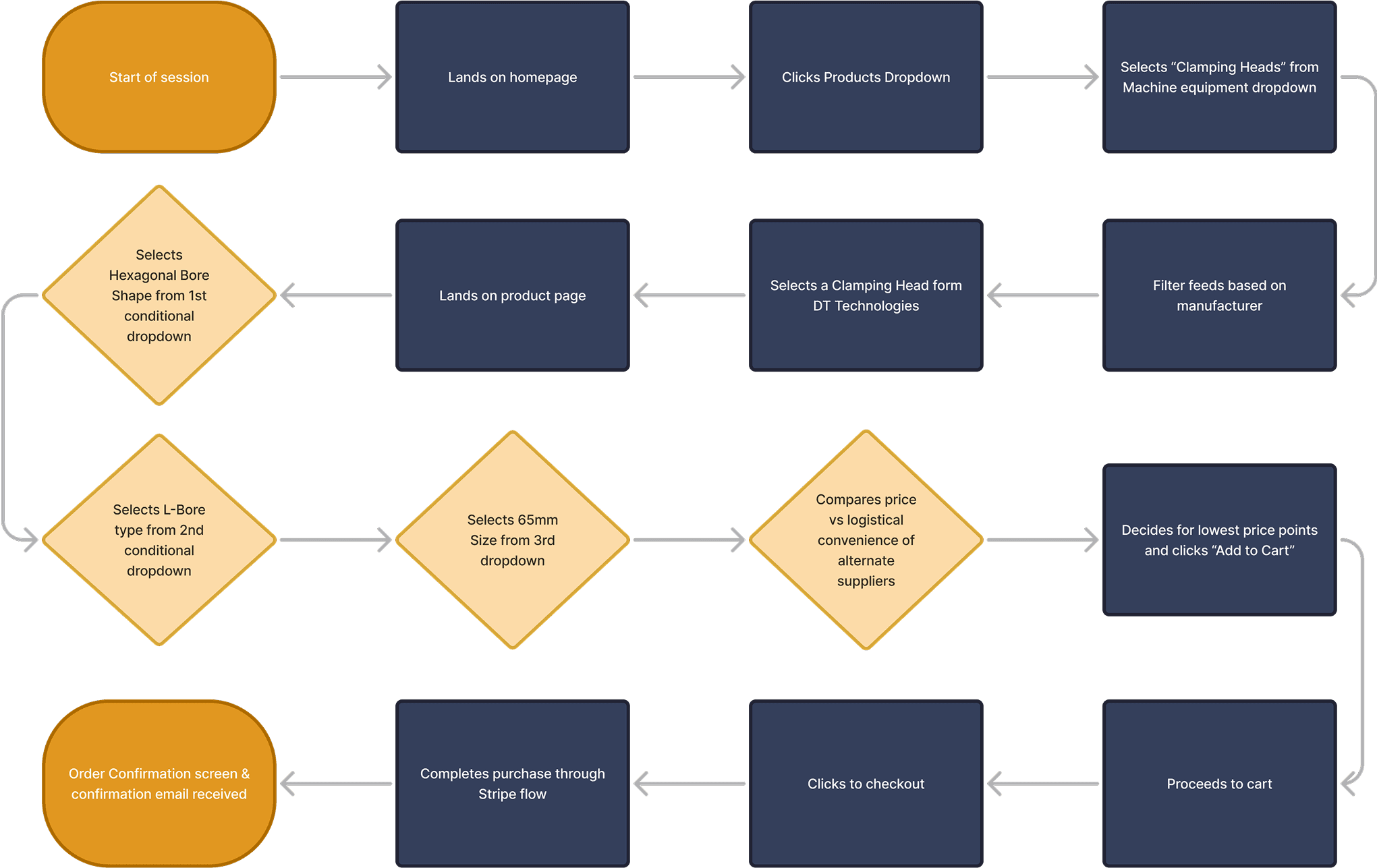
High-fidelity screens included product pages with conditional dropdowns, structured variant cards, supplier dashboards, filtered product feeds, and an AI assistant entry point. All UI was built on a reusable component system.
Faster, more confident product selection.
Fewer misconfigurations.
Clearer internal understanding of how variants should be structured.
More efficient workflow for suppliers uploading and managing inventory.
Increase in supplier onboarding speed
In search result relevance
Reduction in manual data entry errors
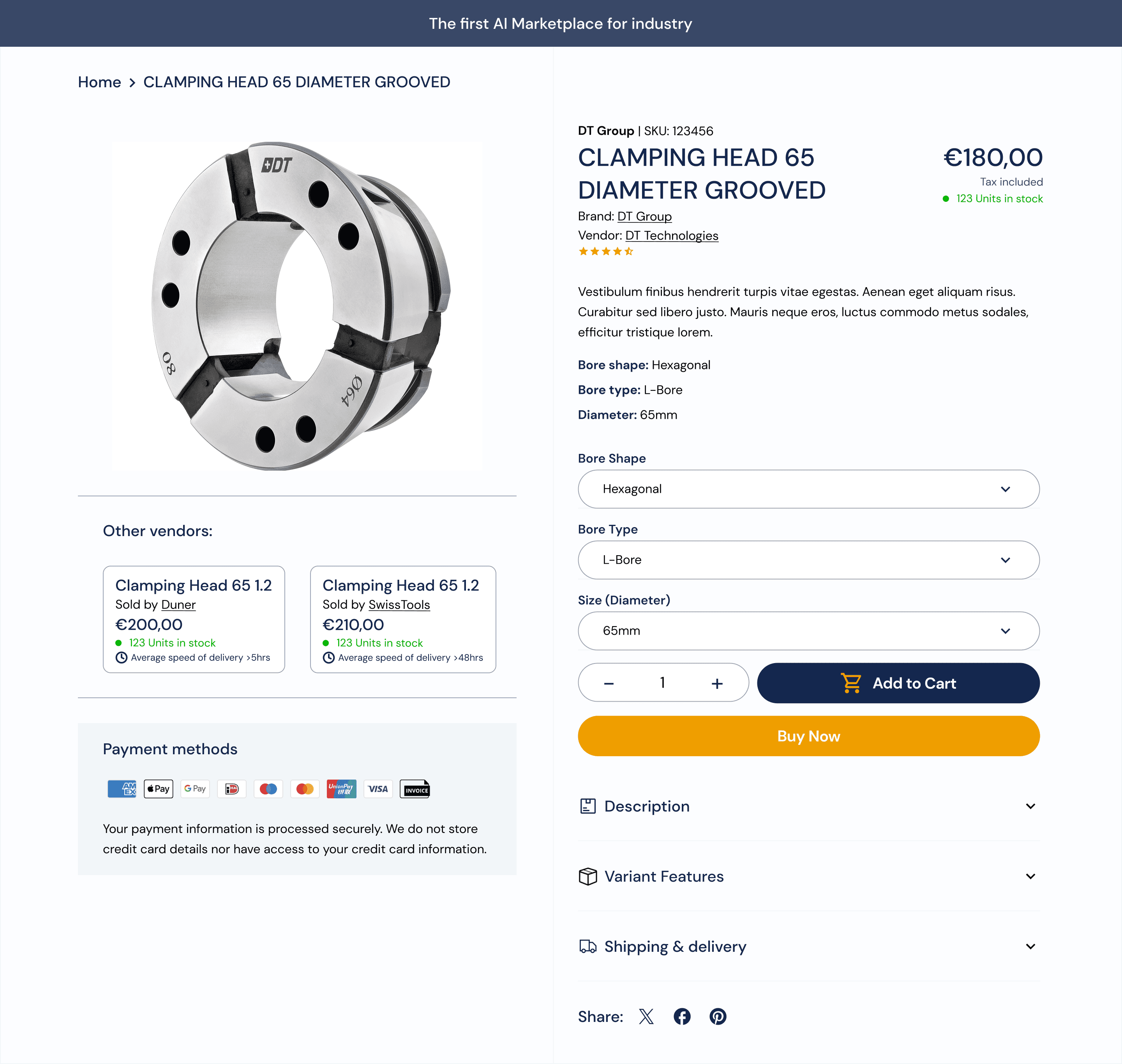
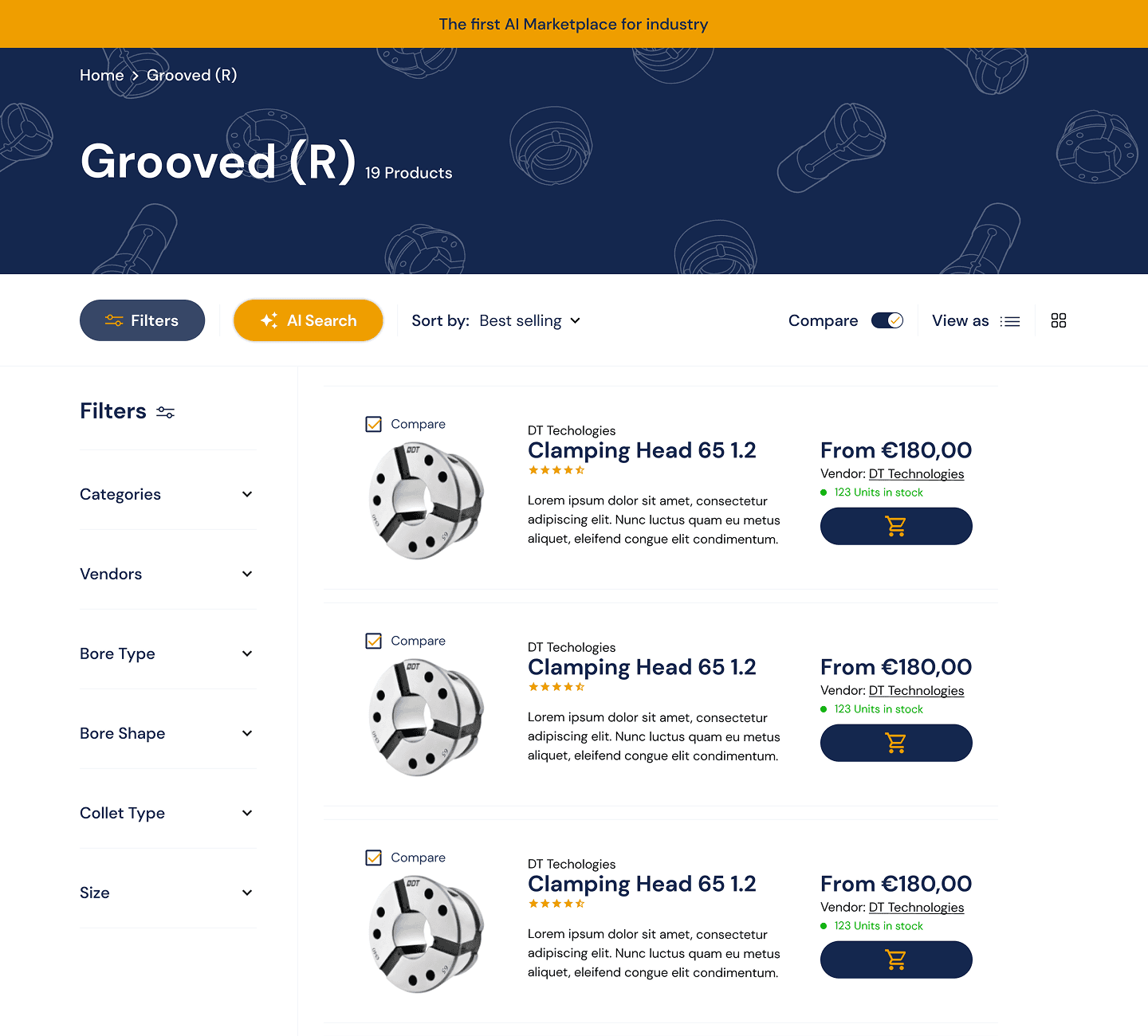
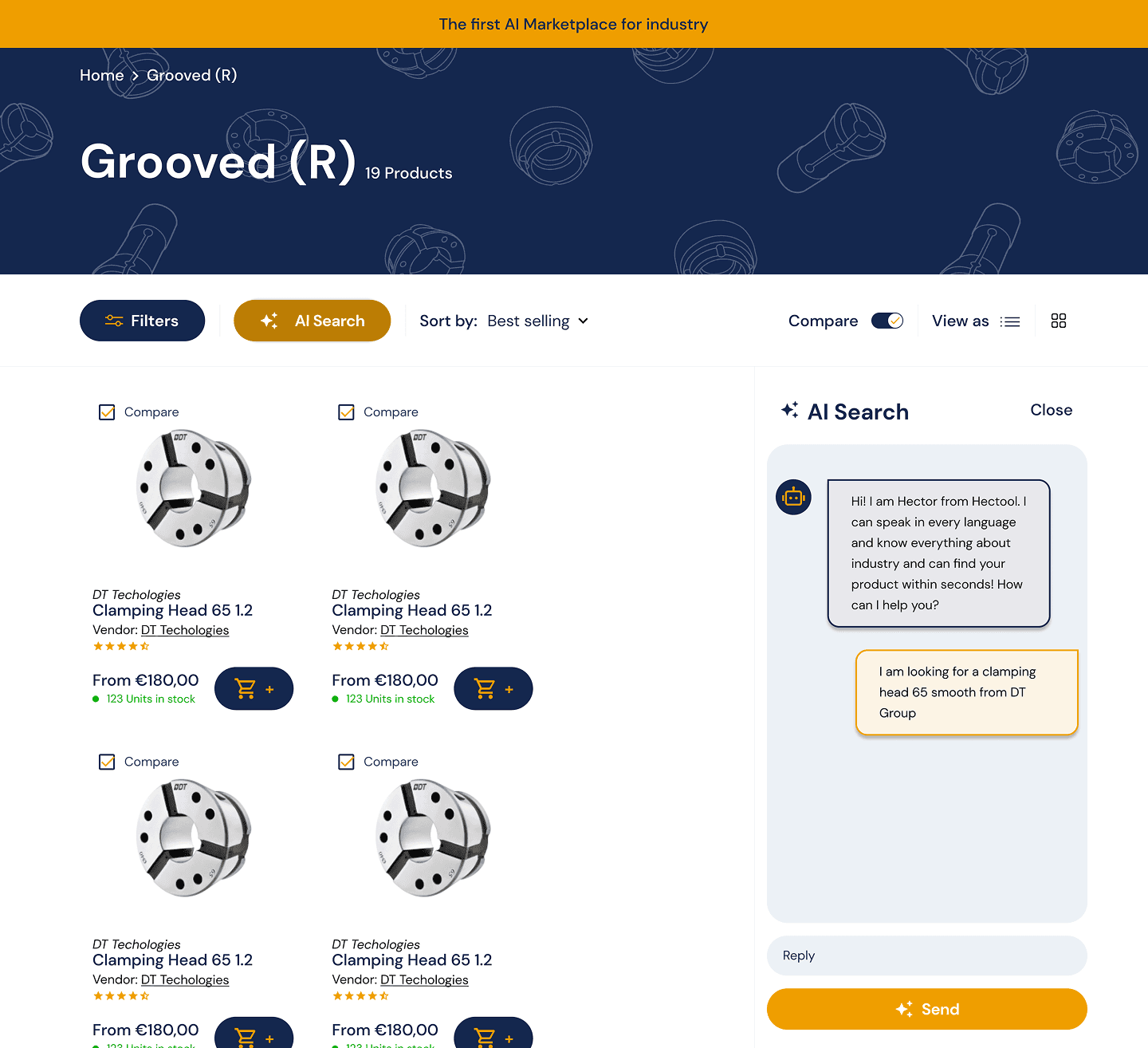
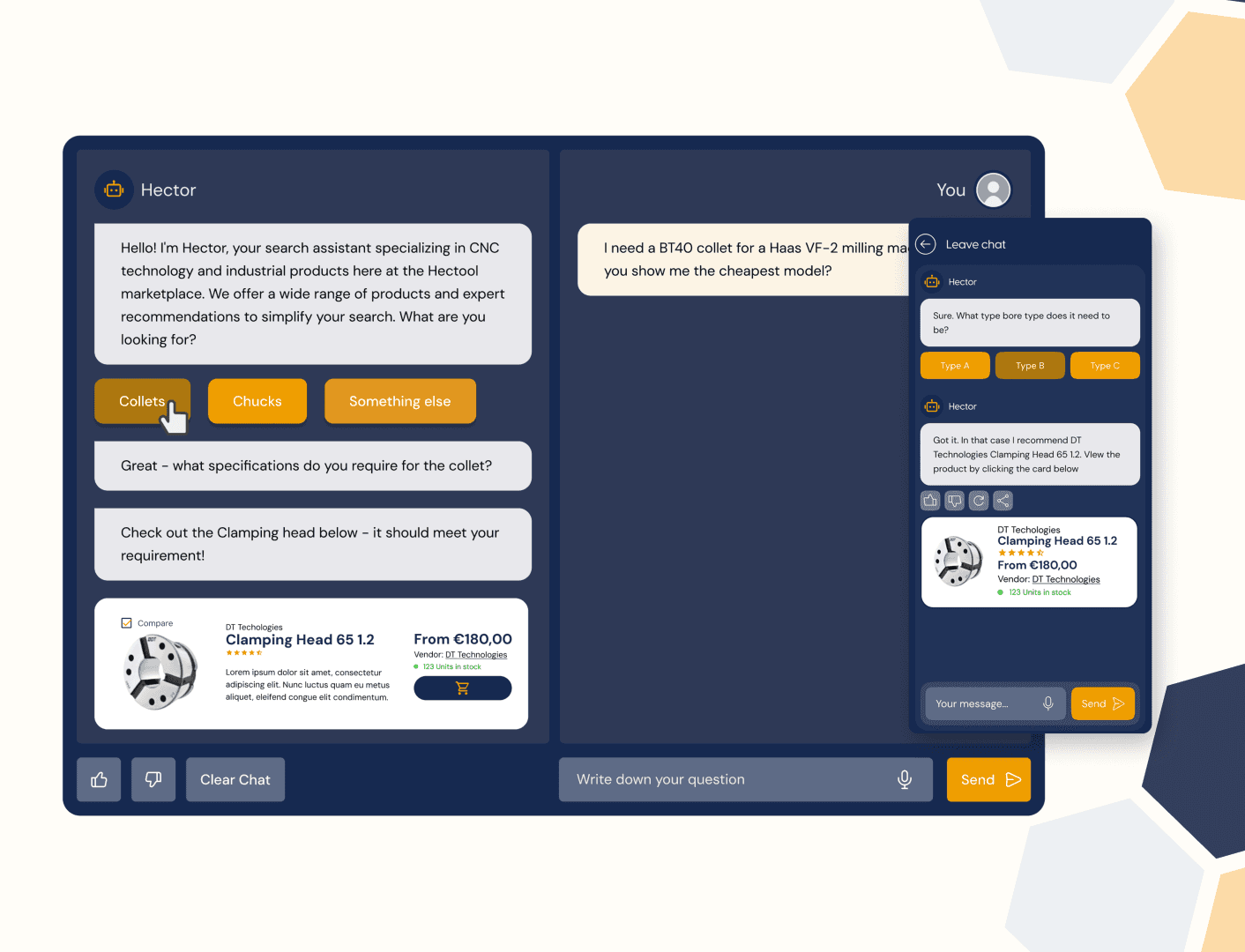
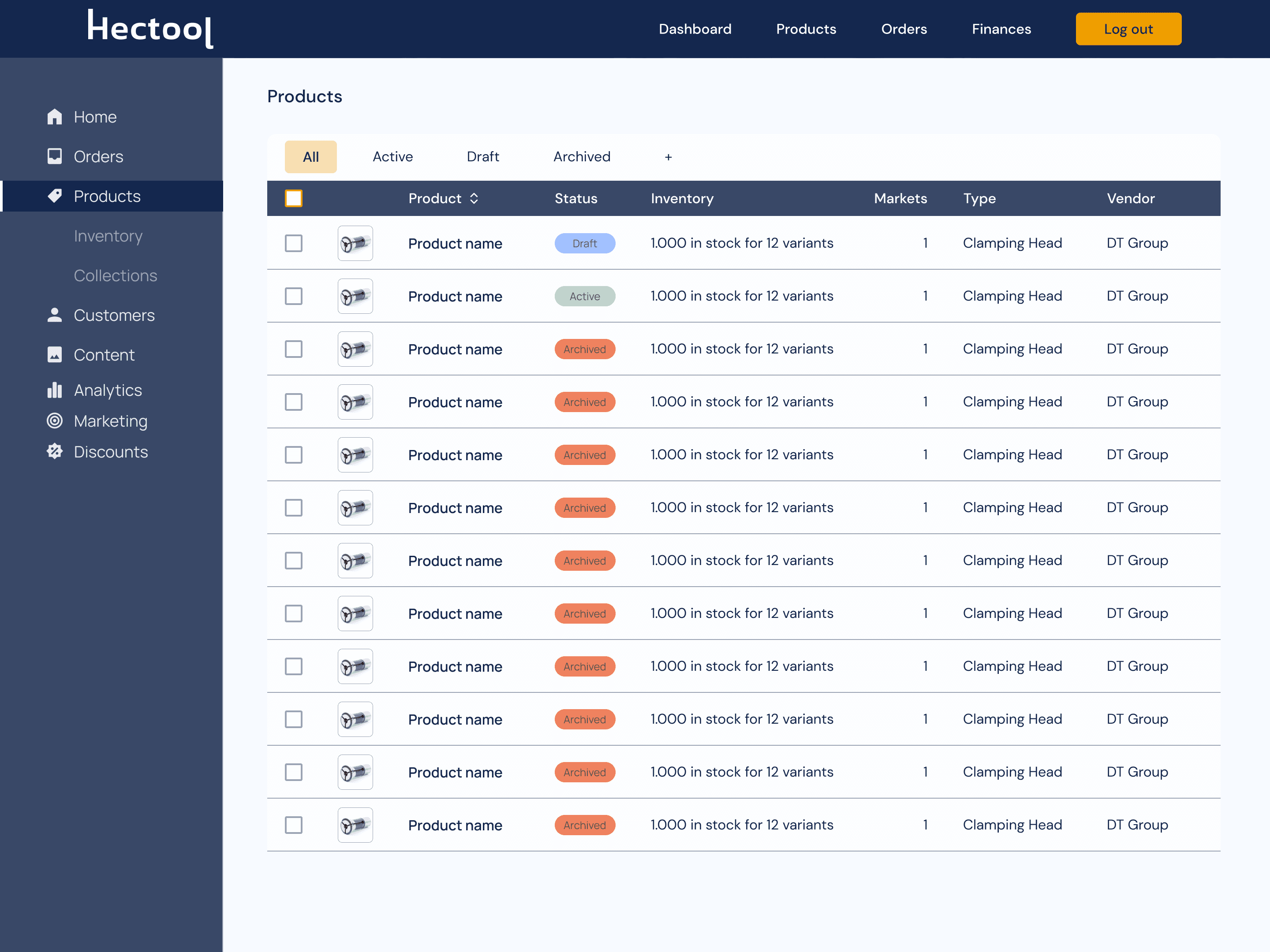
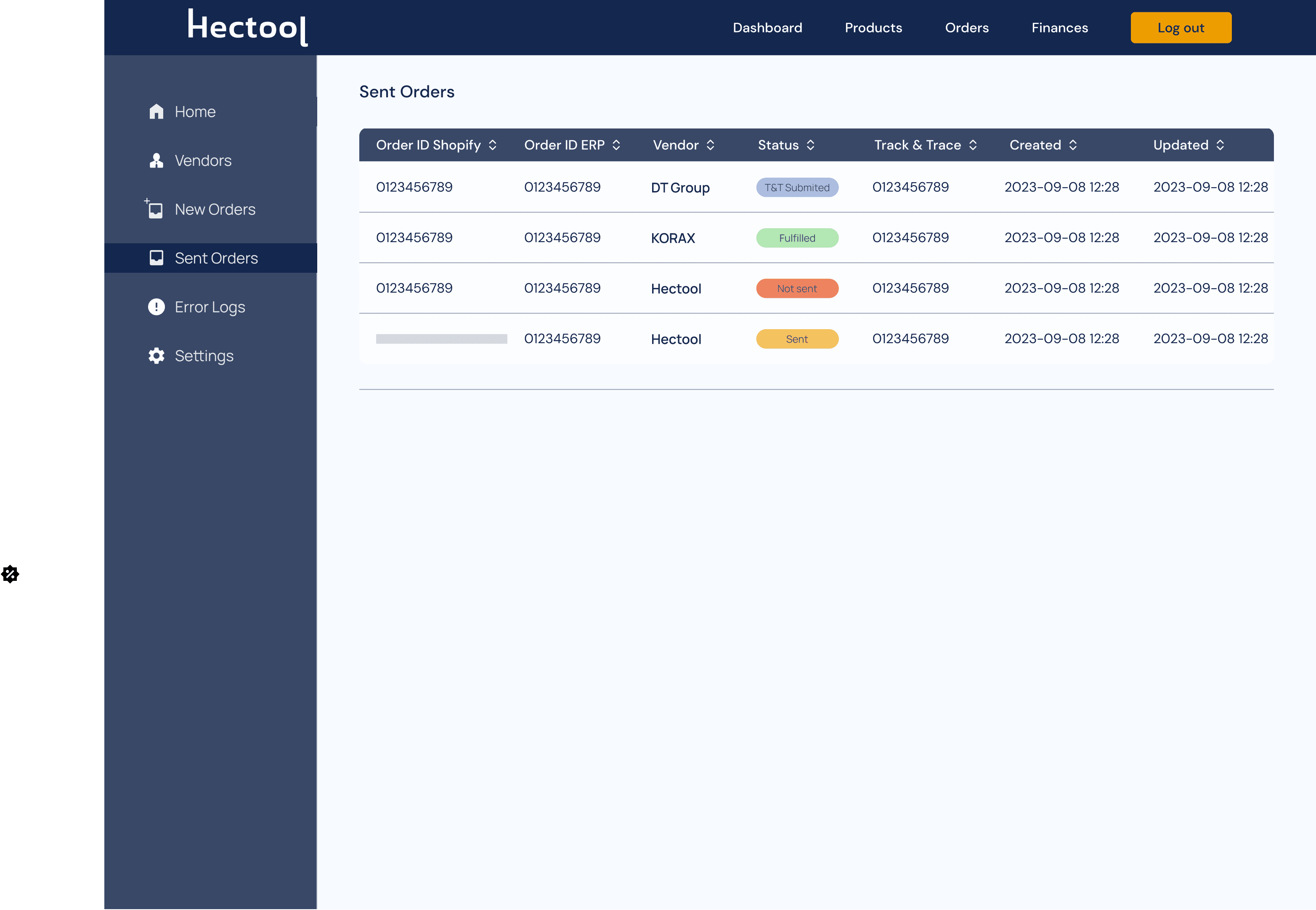
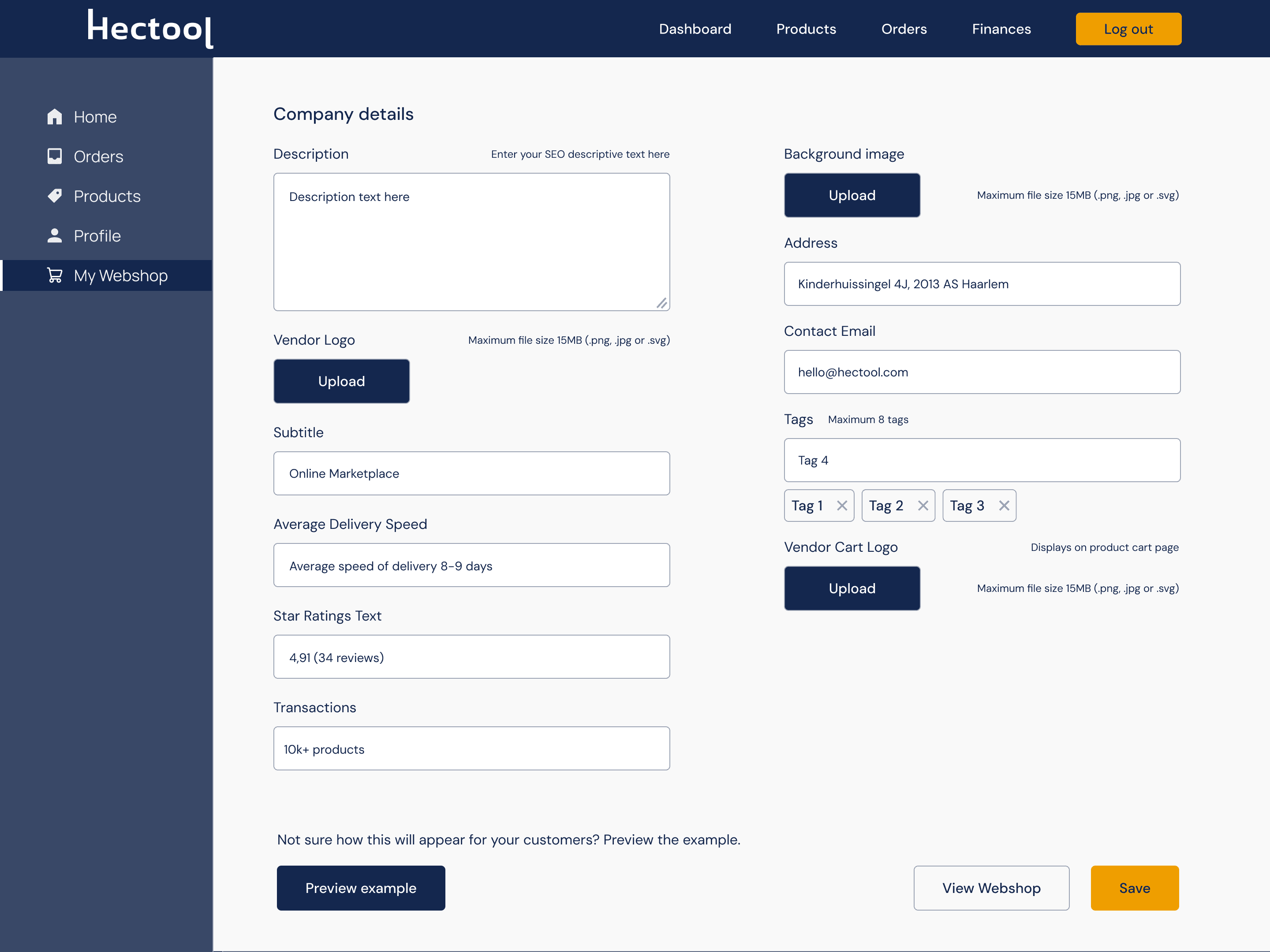
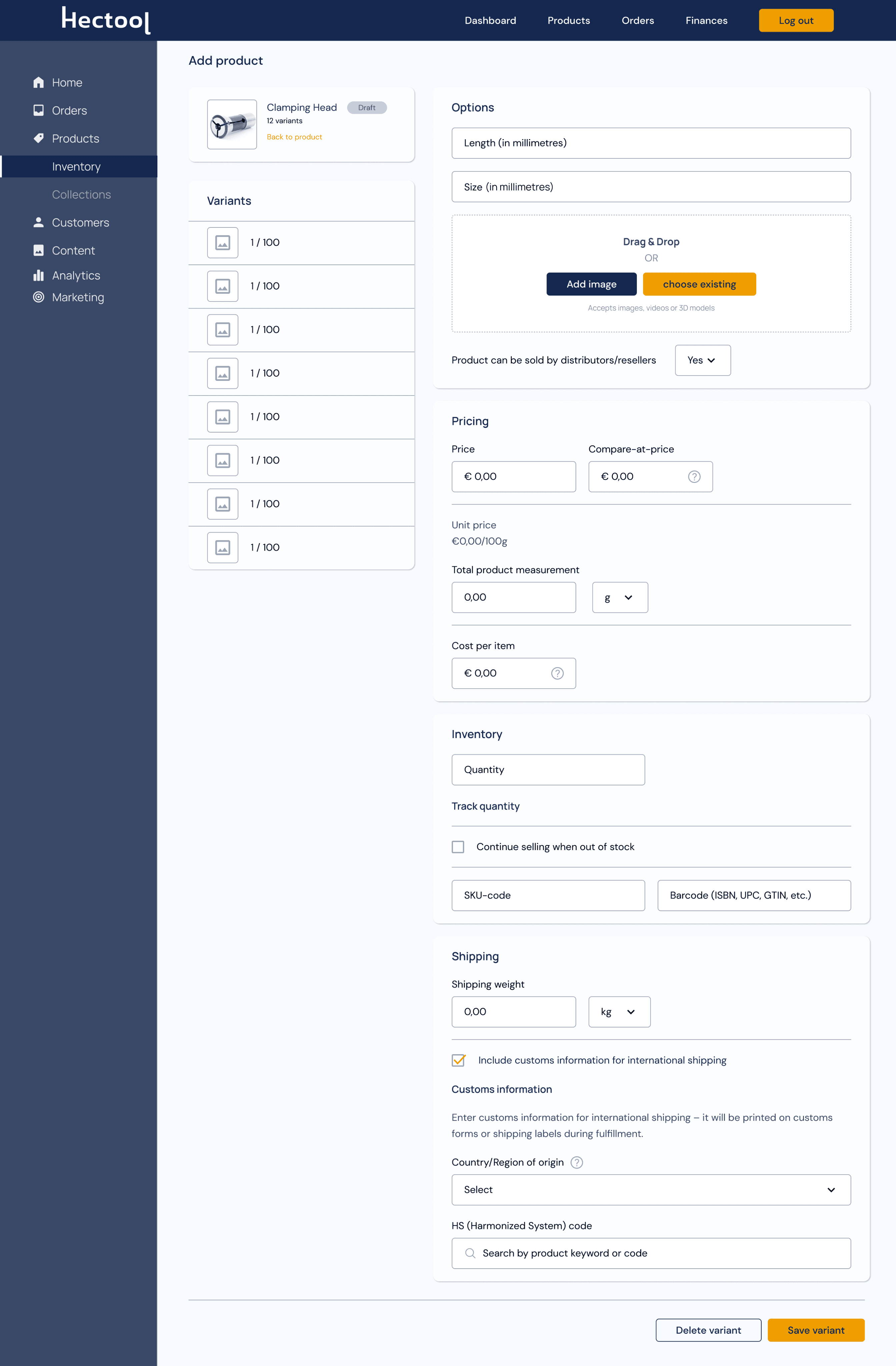
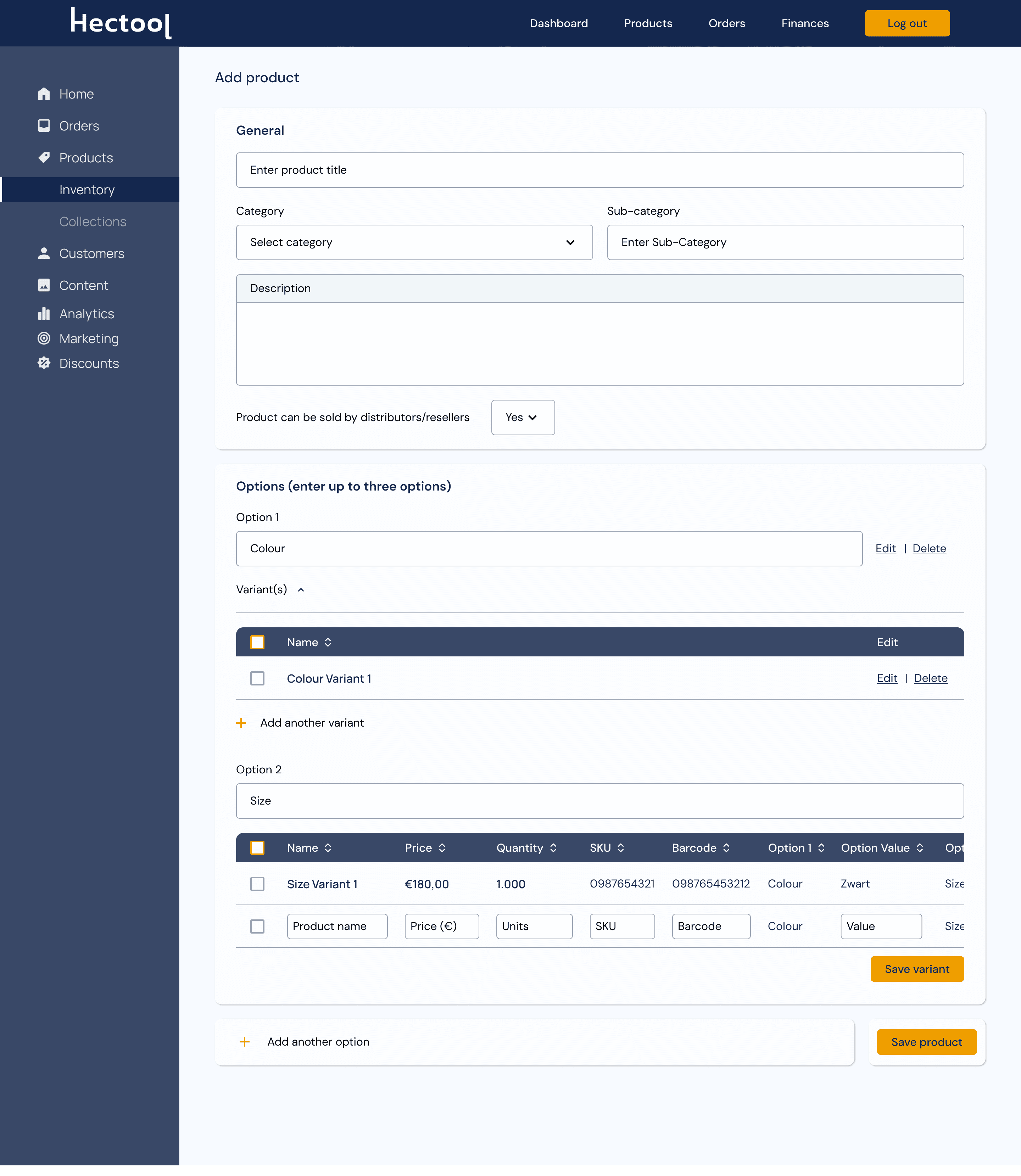
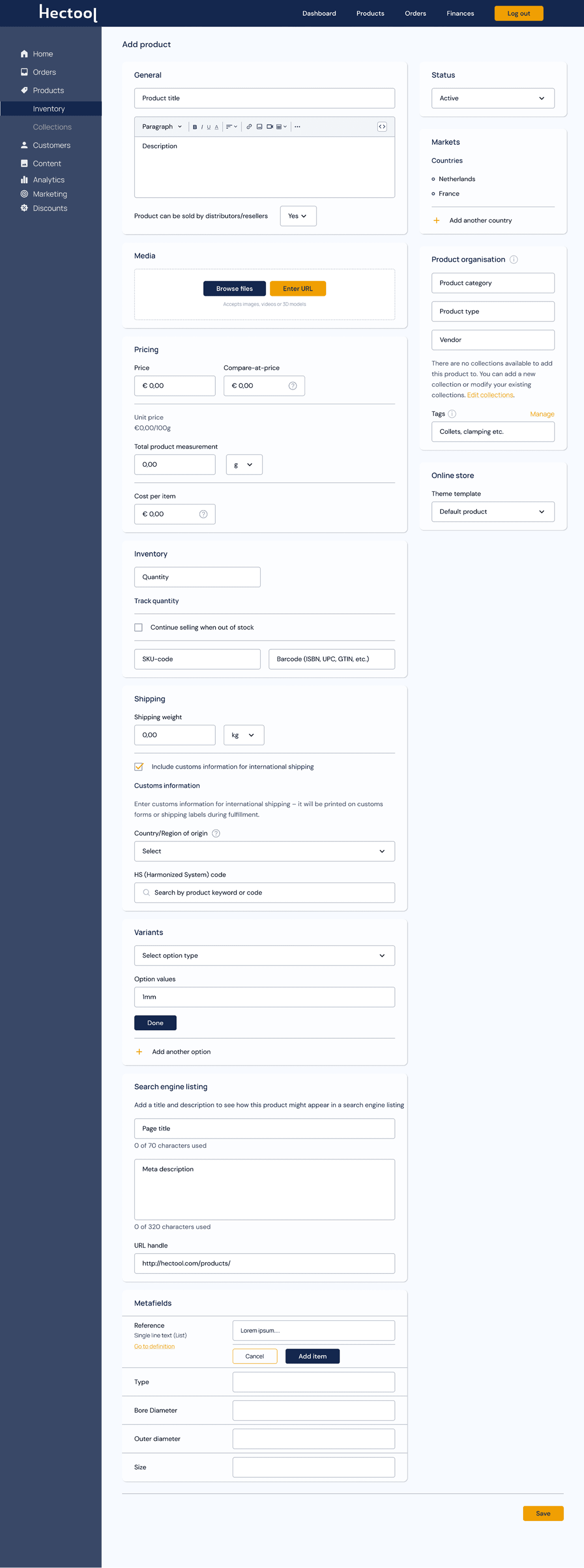

Variant complexity was underestimated, Shopify limited some ideal UX patterns, and balancing modern UX expectations with industry familiarity required careful iteration as scope evolved.
I learned how to structure highly technical B2B systems, design scalable IA, and create clear, logical interactions for complex marketplace products under real-world constraints.
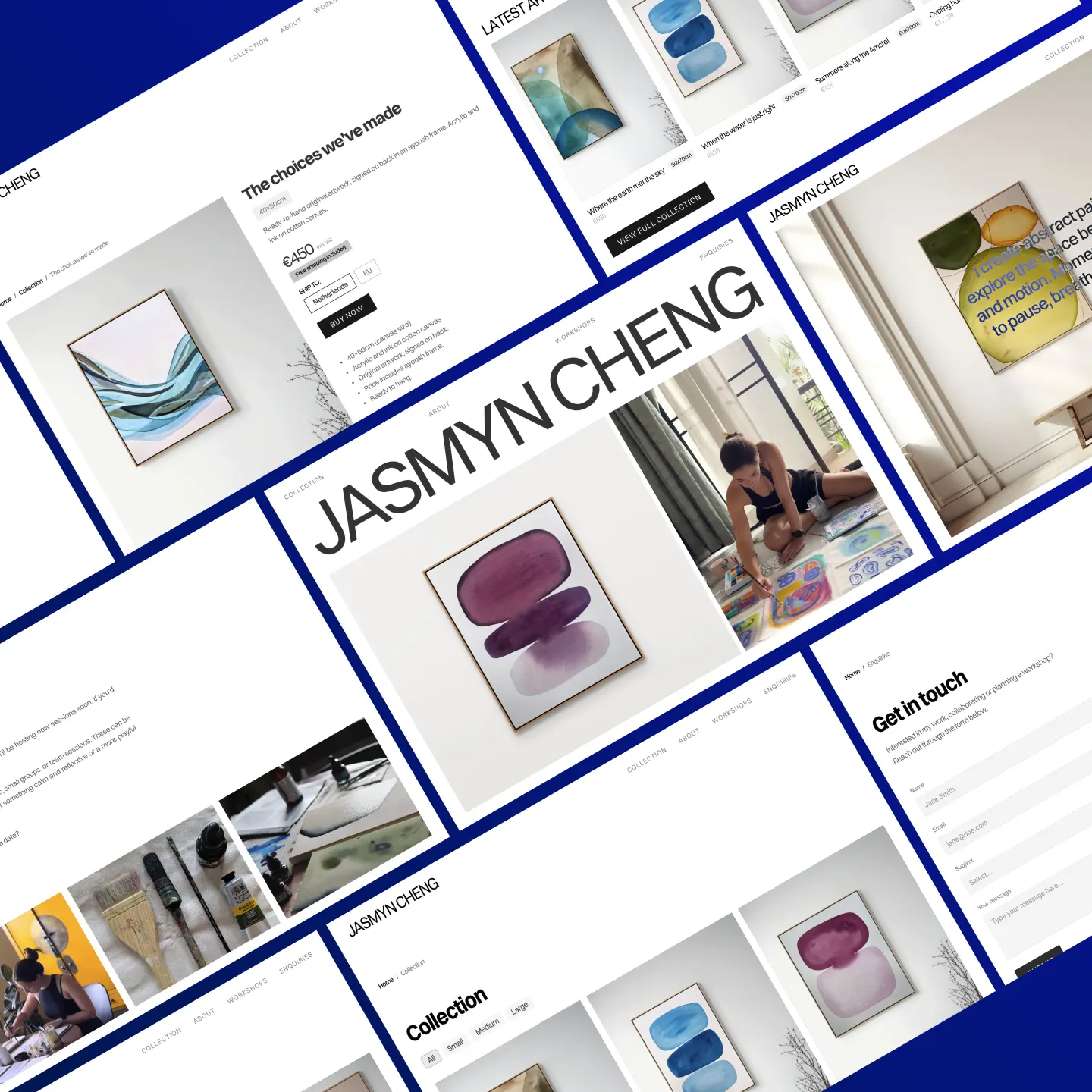
Jasmyn Cheng
Designed and built a boutique website for an Amsterdam-based artist. The project included building a CMS product library with a simple Stripe checkout.
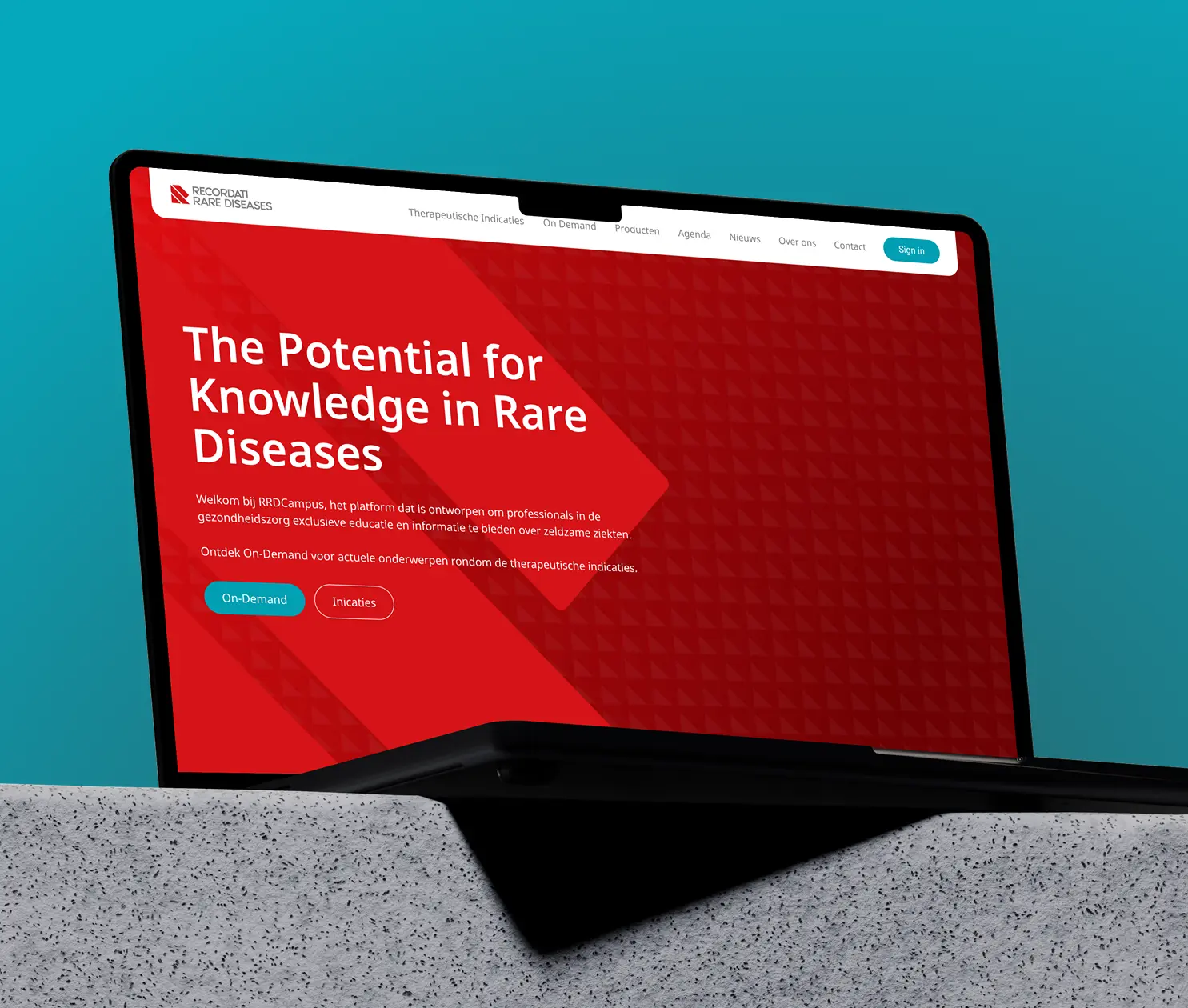
RRD Campus
Designed a rare-disease education platform for medical professionals, centralising content and implementing a gated content system for lead generation.
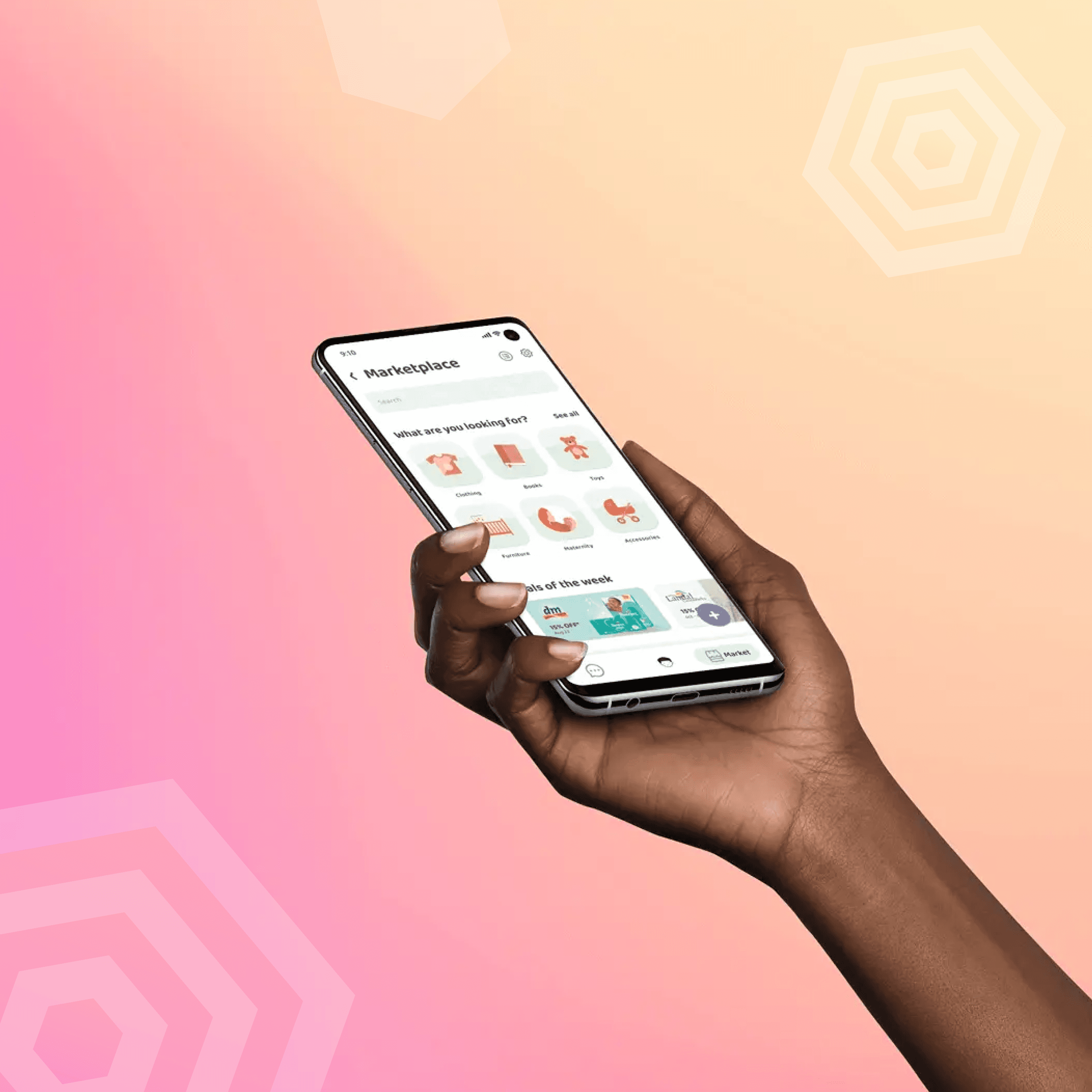
Hoopooh
Designed a second-hand marketplace feature inside a childcare communication app, enabling parents to buy and sell children’s items without leaving the ecosystem.
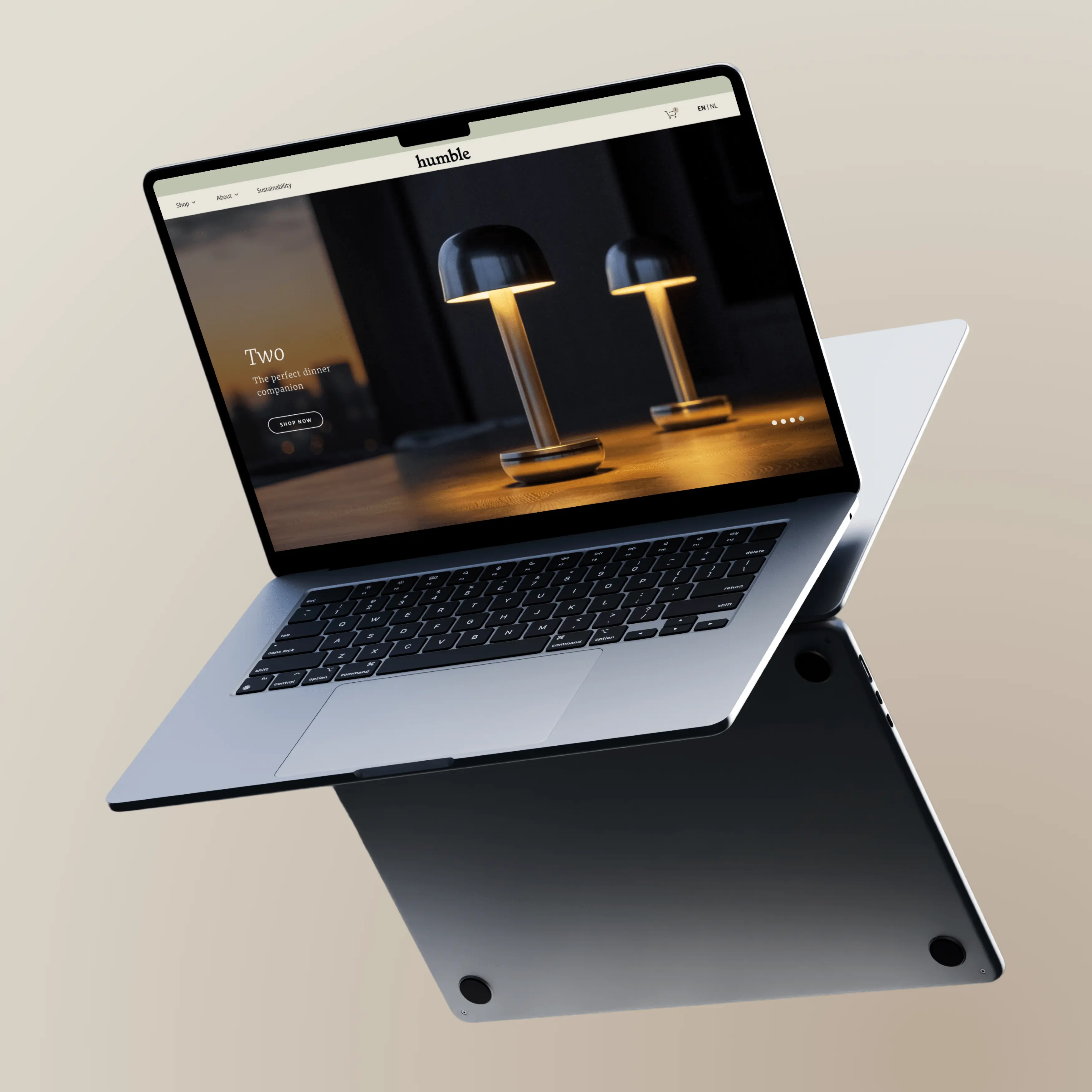
Humble Lights
Redesigned the Humble Lights webshop to emphasise trust, clarity, and storytelling while preserving a luxurious brand feel.