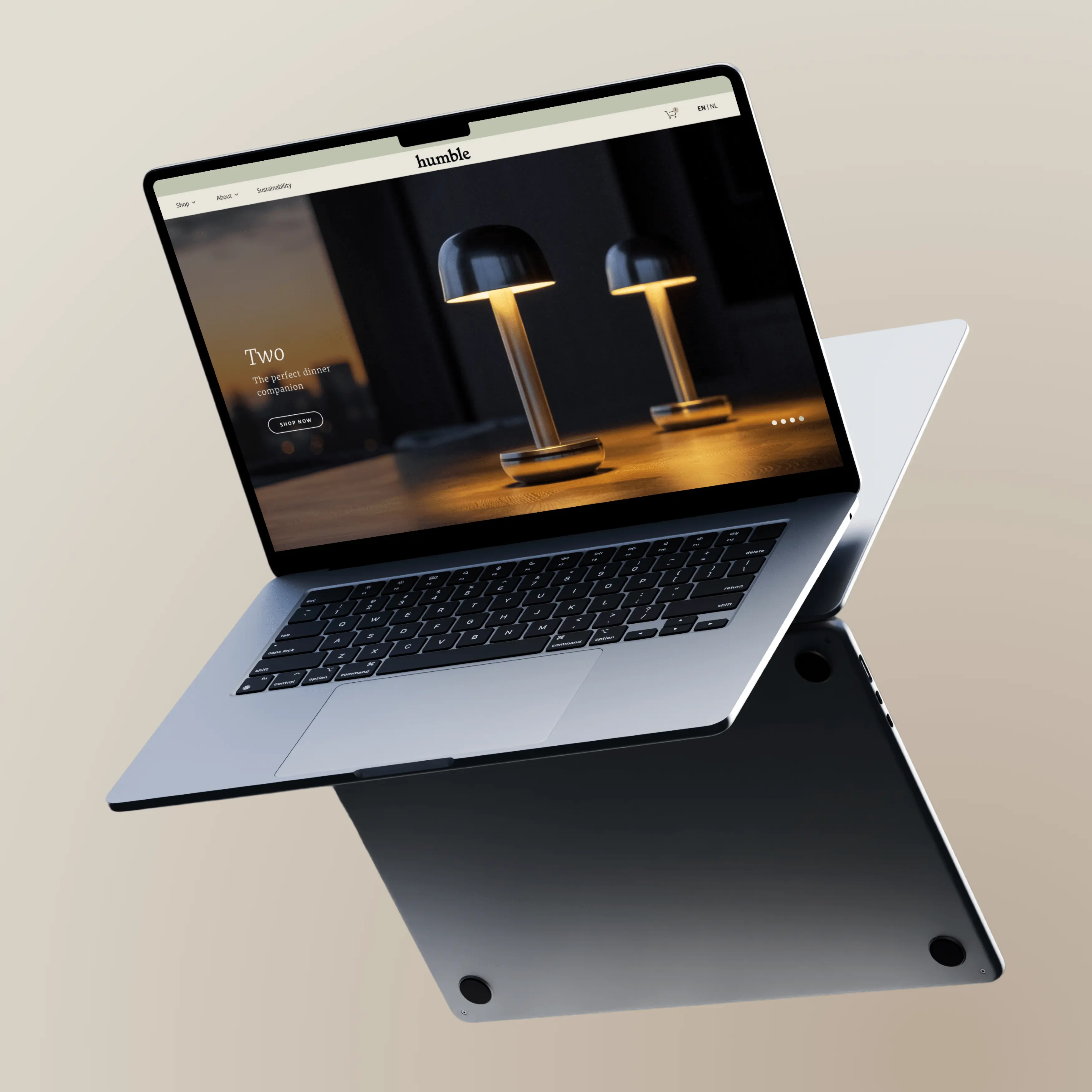
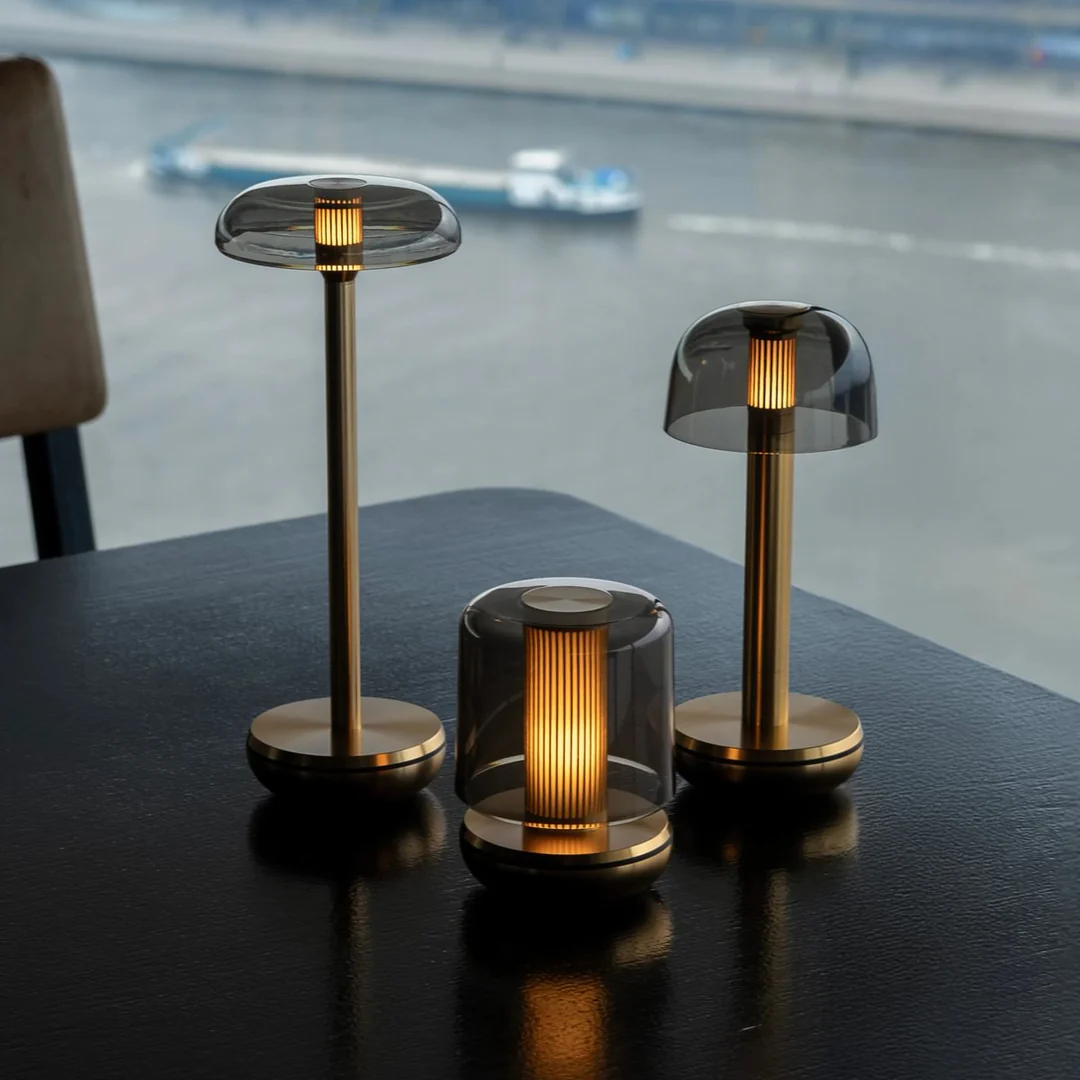
Humble Lights is a premium cordless lighting brand. I redesigned their e-commerce experience to improve clarity, trust, and conversions while maintaining a luxurious visual identity.
The previous site felt more like a static product catalogue than a modern webshop. Users struggled to understand product differences, trust signals were weak, and homepage content was often missed due to poor structure and low scroll depth.
The previous site felt more like a static product catalogue than a modern webshop. Users struggled to understand product differences, trust signals were weak, and homepage content was often missed due to poor structure and low scroll depth.
Users lacked trust signals such as reviews and clear policies.
Product naming and information hierarchy confused first-time buyers.
Sustainability messaging mattered to the target audience.
Much of the homepage content was ineffective because users rarely scrolled far enough to see it.
Prioritise clarity over decoration.
Shorten the homepage while improving storytelling.
Design for trust first through reviews, policies, and sustainability content.
Rename and group products by use-case rather than internal model names.
Maintain a consistent luxury visual tone.
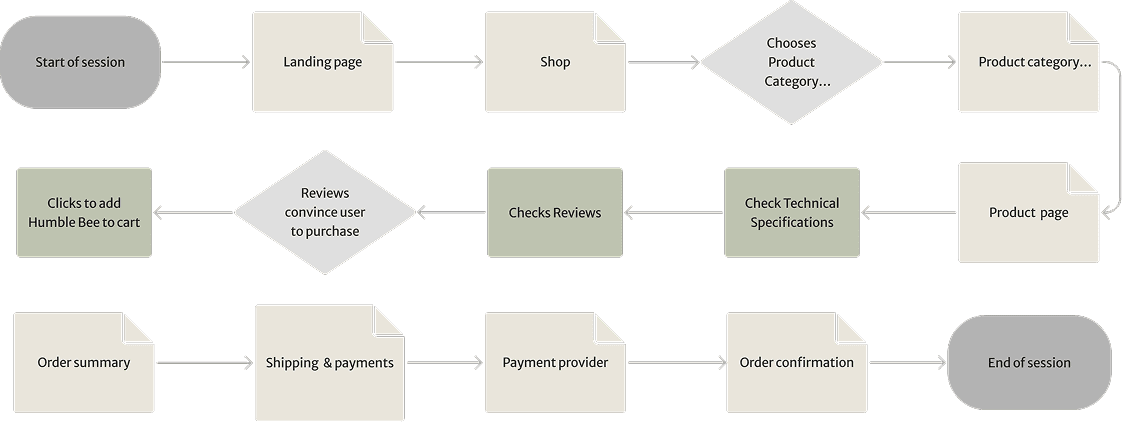
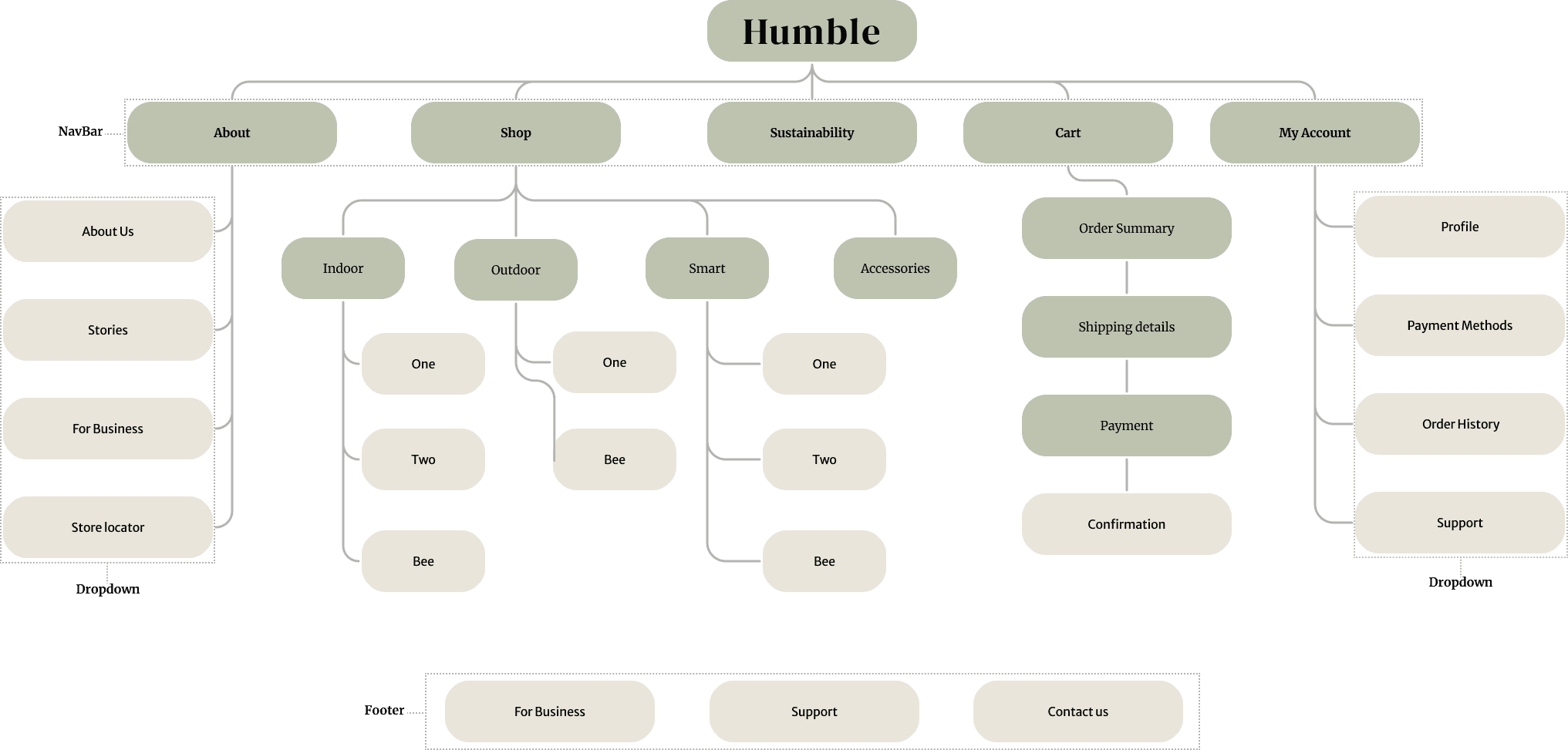
I redesigned the core flow from landing on the site through selecting meaningful categories, into product detail pages with clear information and transparent policies, and then on to conversion. The information architecture was simplified around use-case-based categories.
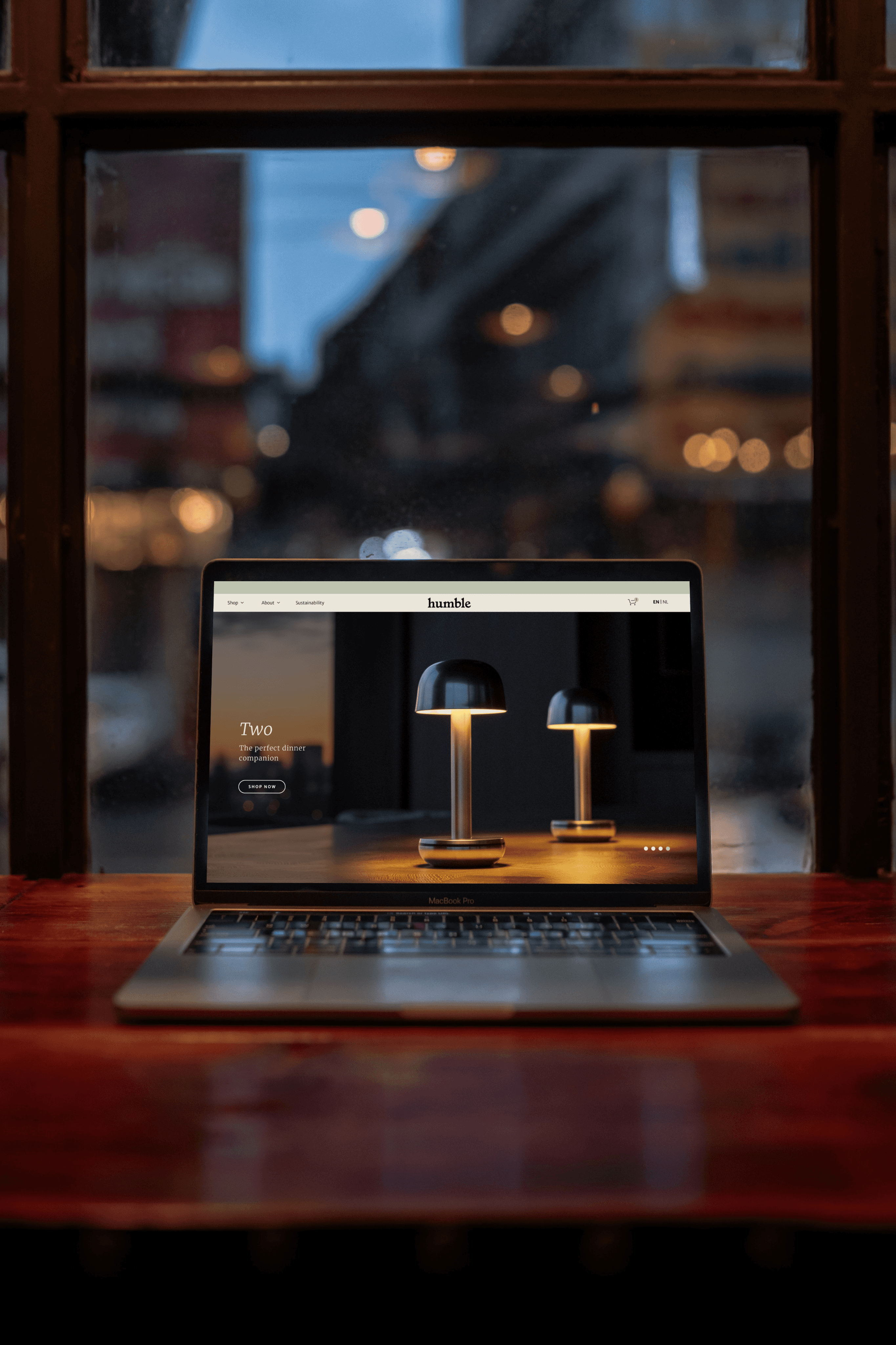
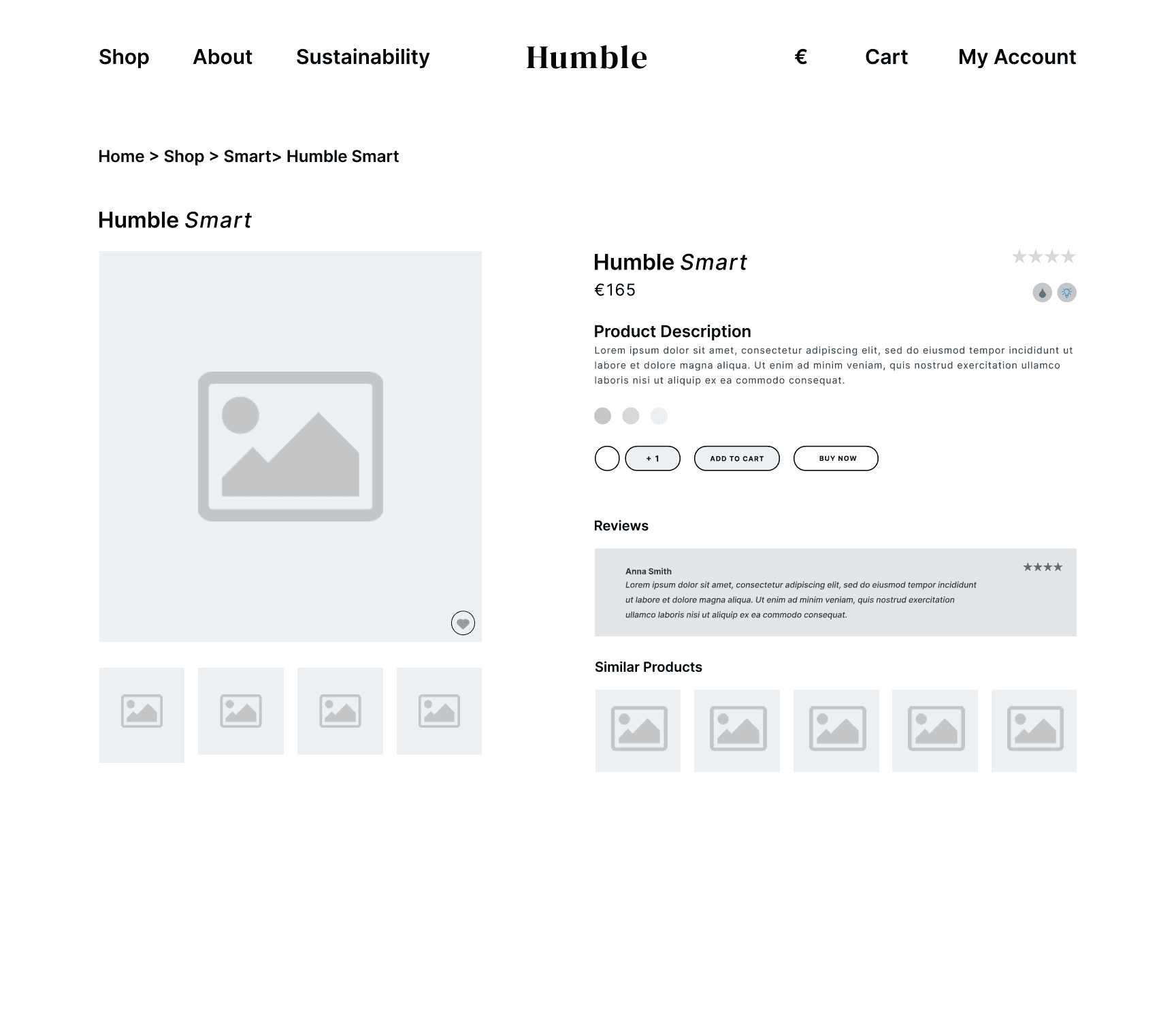
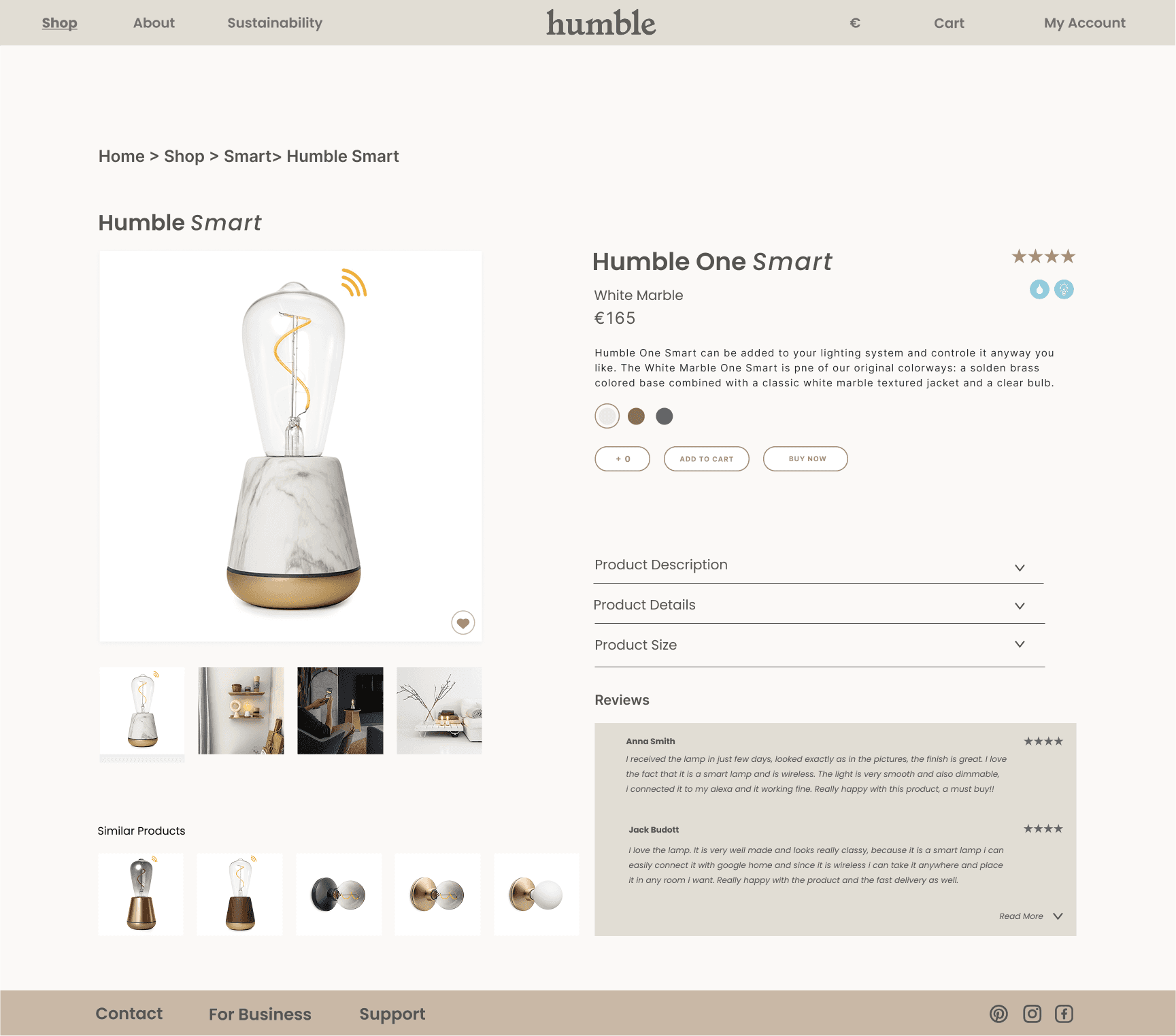
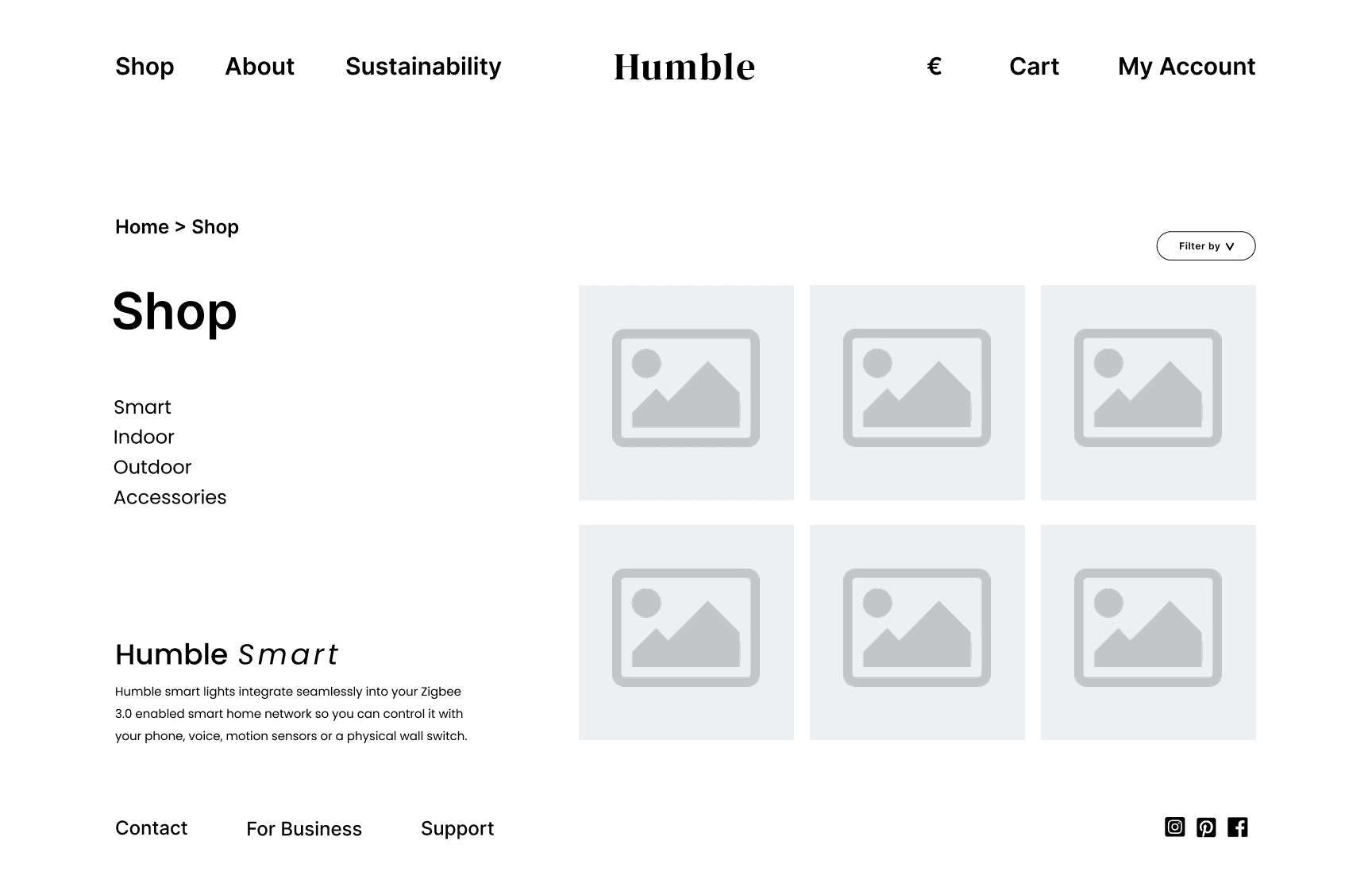
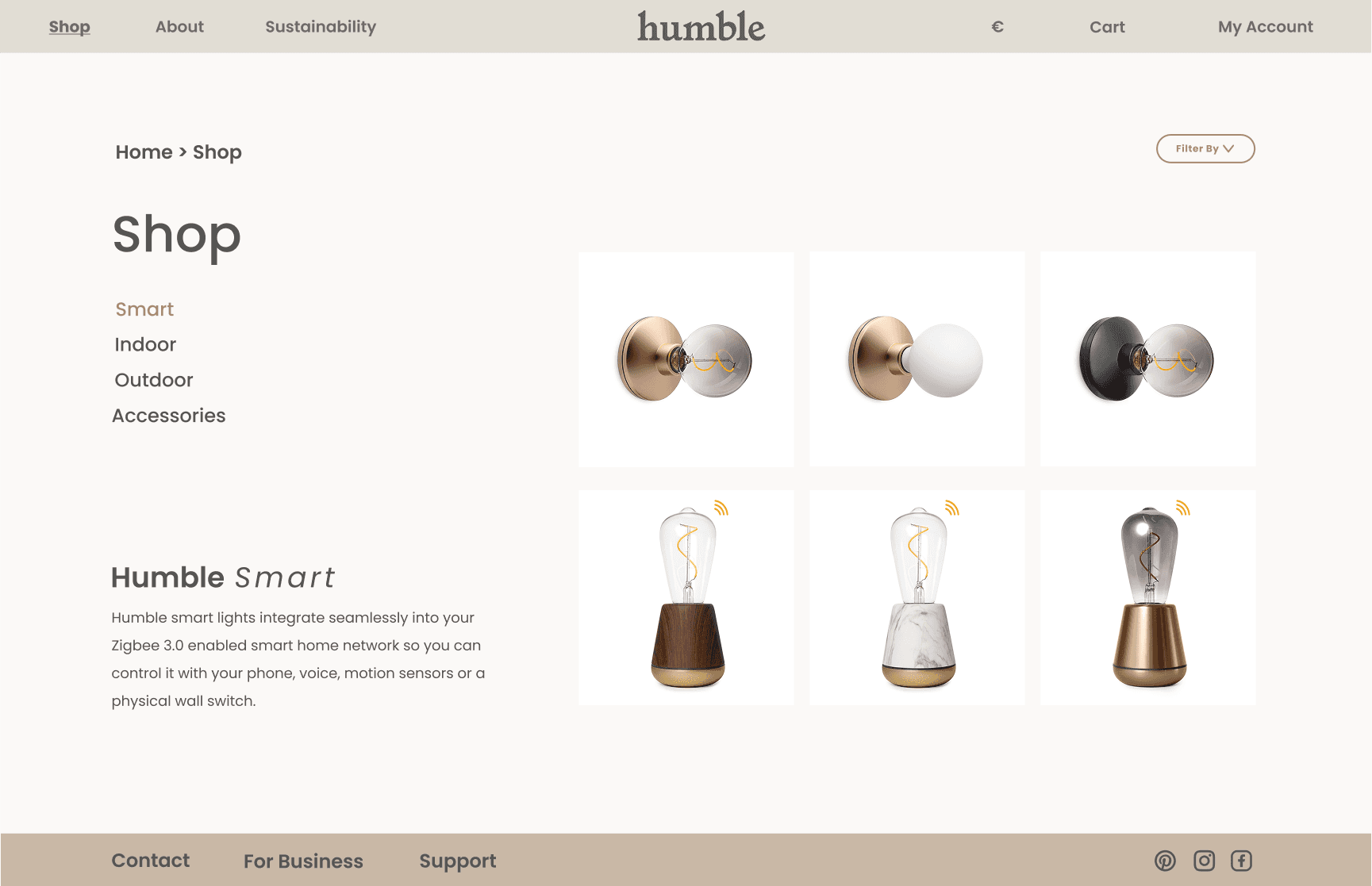
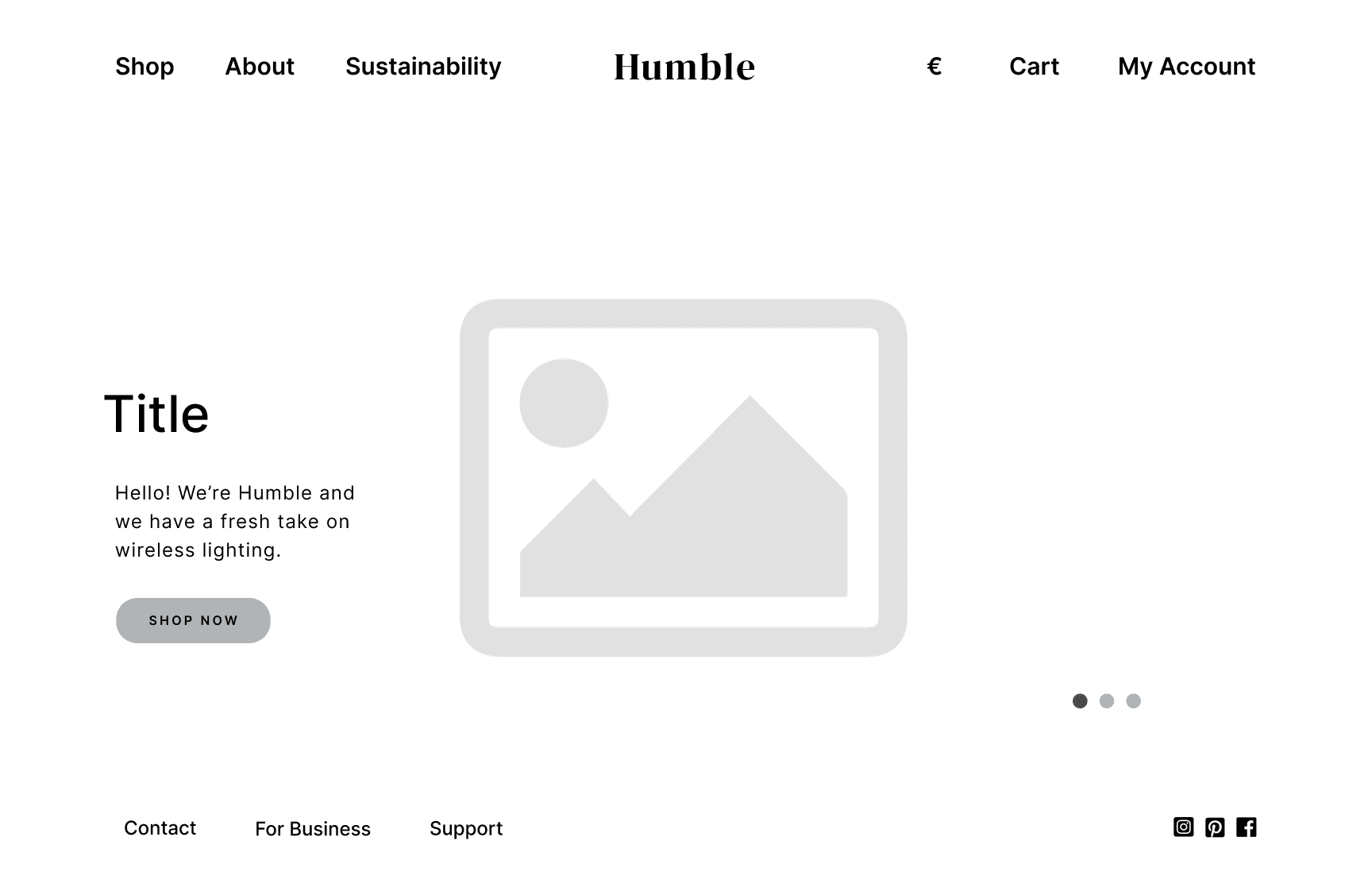
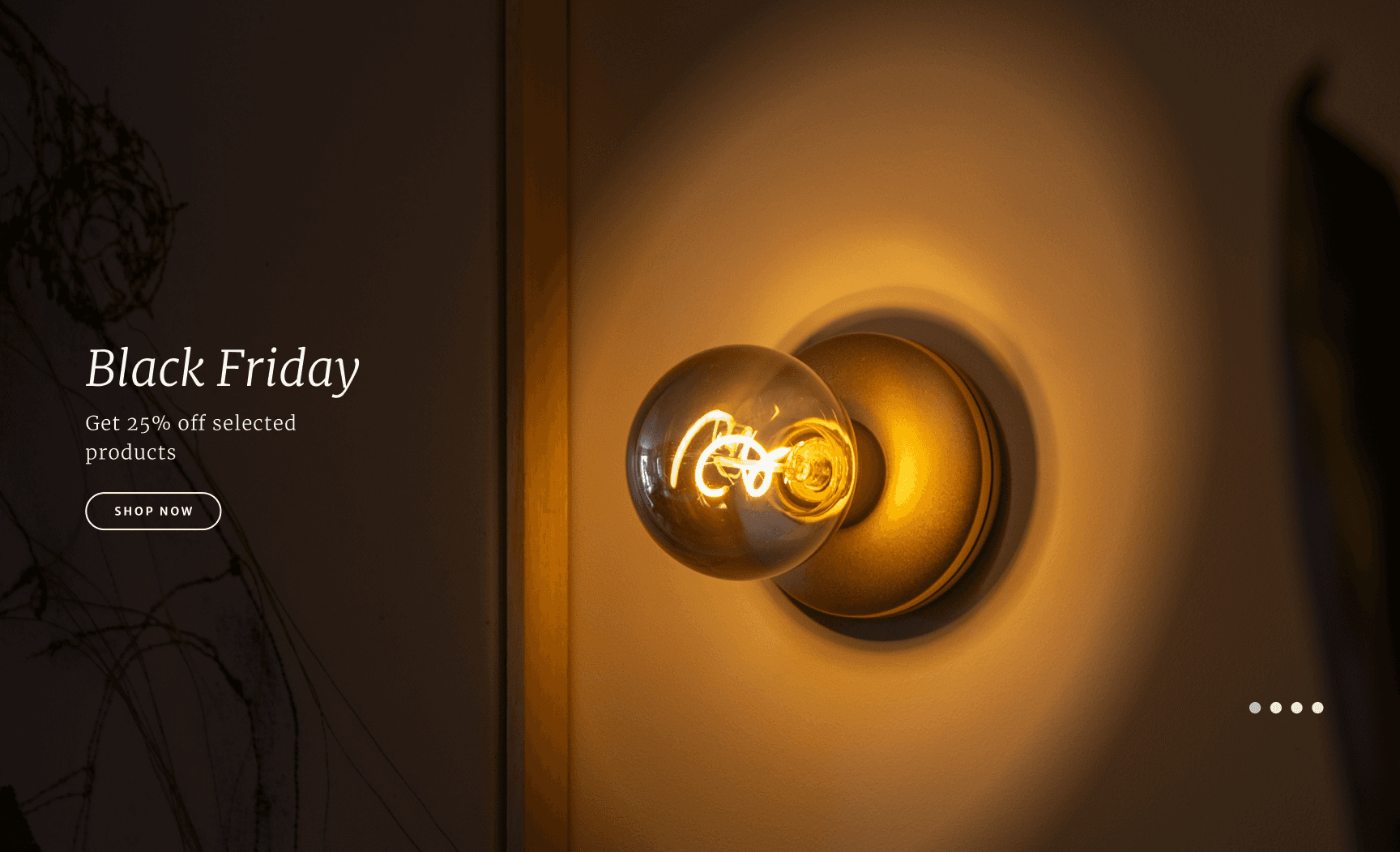
High-fidelity designs included a new homepage with a hero focused on strong imagery and concise storytelling, simplified navigation, refined product listing grids, and product detail pages with tabbed content, thumbnails, and prominent trust elements like reviews and return information.
The redesign shifted the website from catalogue-like browsing to a more conversion-oriented experience, clarified the product range, and strengthened the brand narrative. The client’s Head of Growth praised the thought process, alignment with the brand, and the way the redesign made the site feel more like a proper web shop without losing its luxury character.
Increase in click-through to product pages
Improvement in usability score
More products viewed per session
Balancing luxury positioning with practical conversion needs.
Simplifying complex product information without dumbing it down.
Working within existing WooCommerce theme constraints and imagery limitations.
I refined my approach to e-commerce UX, especially around trust-building, visual hierarchy, and translating abstract brand attributes into concrete interaction patterns and page structures.
Hectool
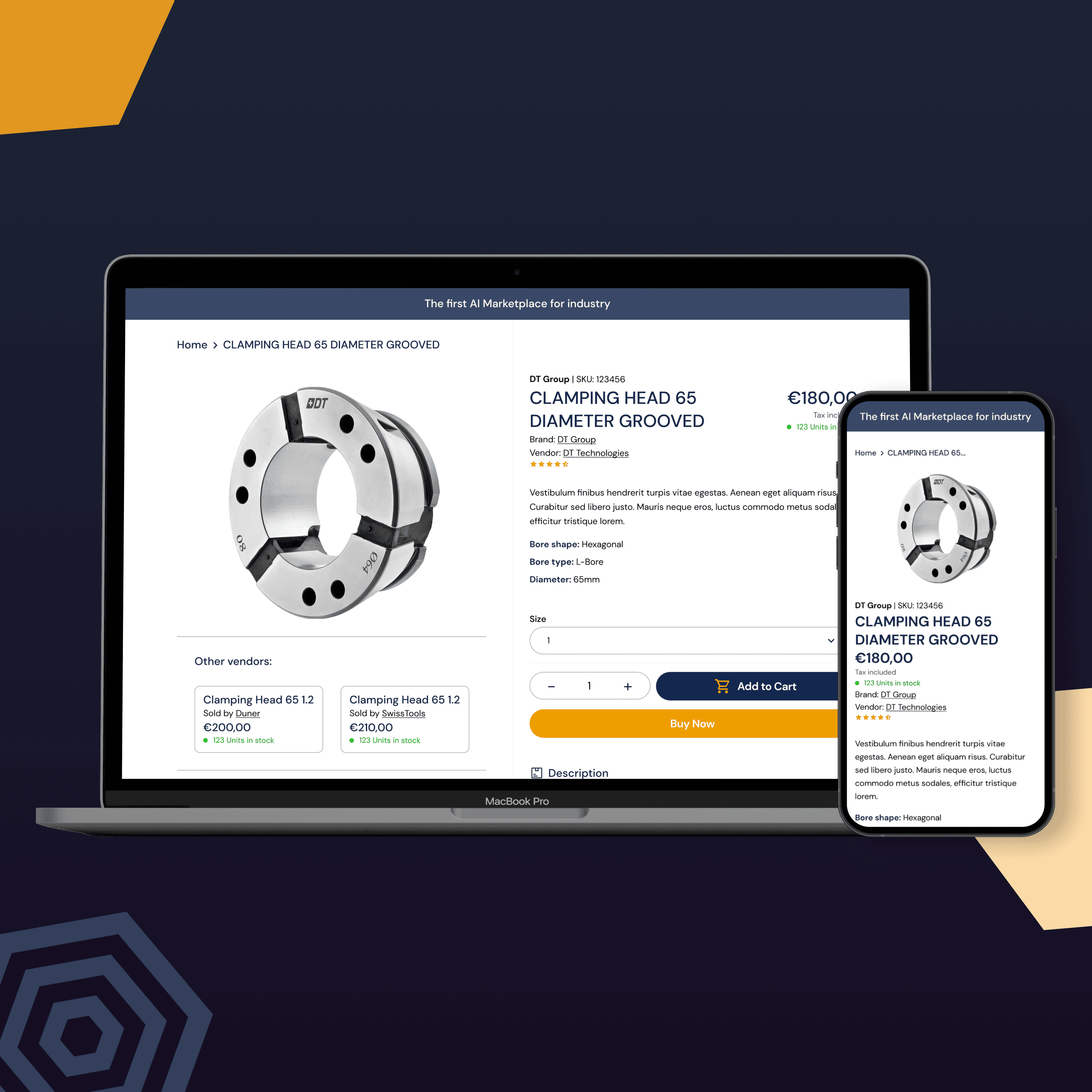
Designed the core UX and high-fidelity UI for a B2B industrial tooling marketplace, simplifying complex product variants and building trust in a traditionally manual industry.
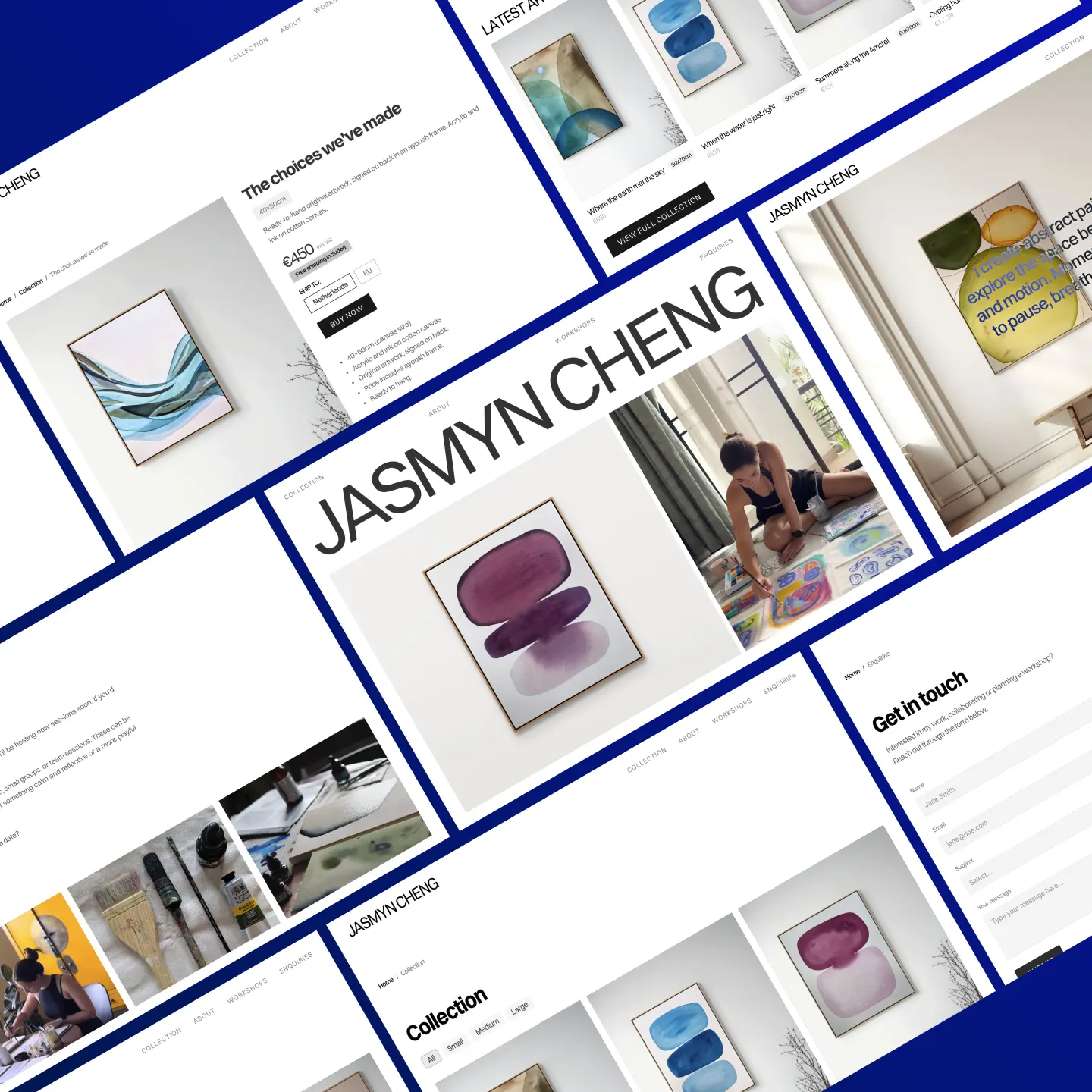
Jasmyn Cheng
Designed and built a boutique website for an Amsterdam-based artist. The project included building a CMS product library with a simple Stripe checkout.
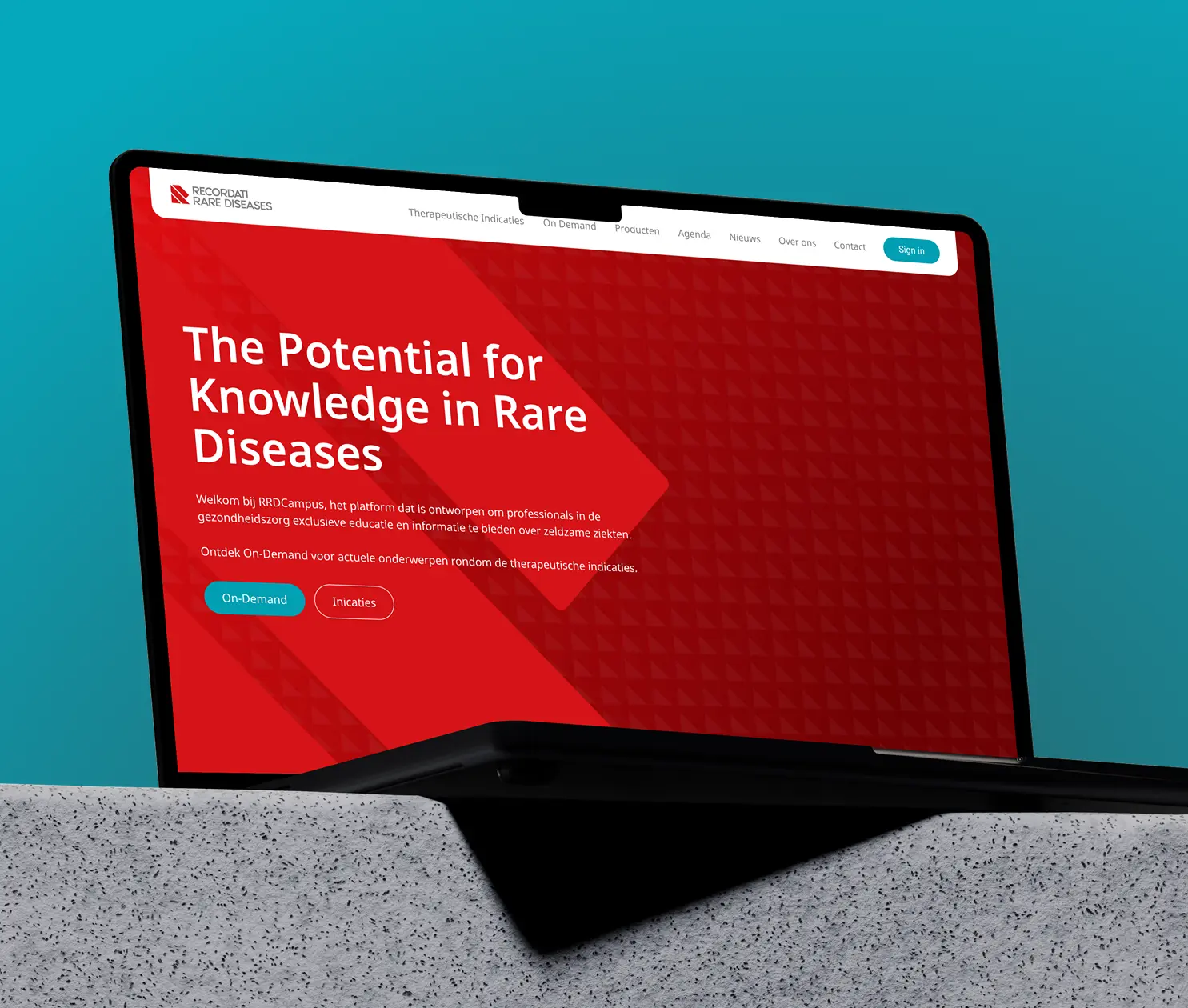
RRD Campus
Designed a rare-disease education platform for medical professionals, centralising content and implementing a gated content system for lead generation.
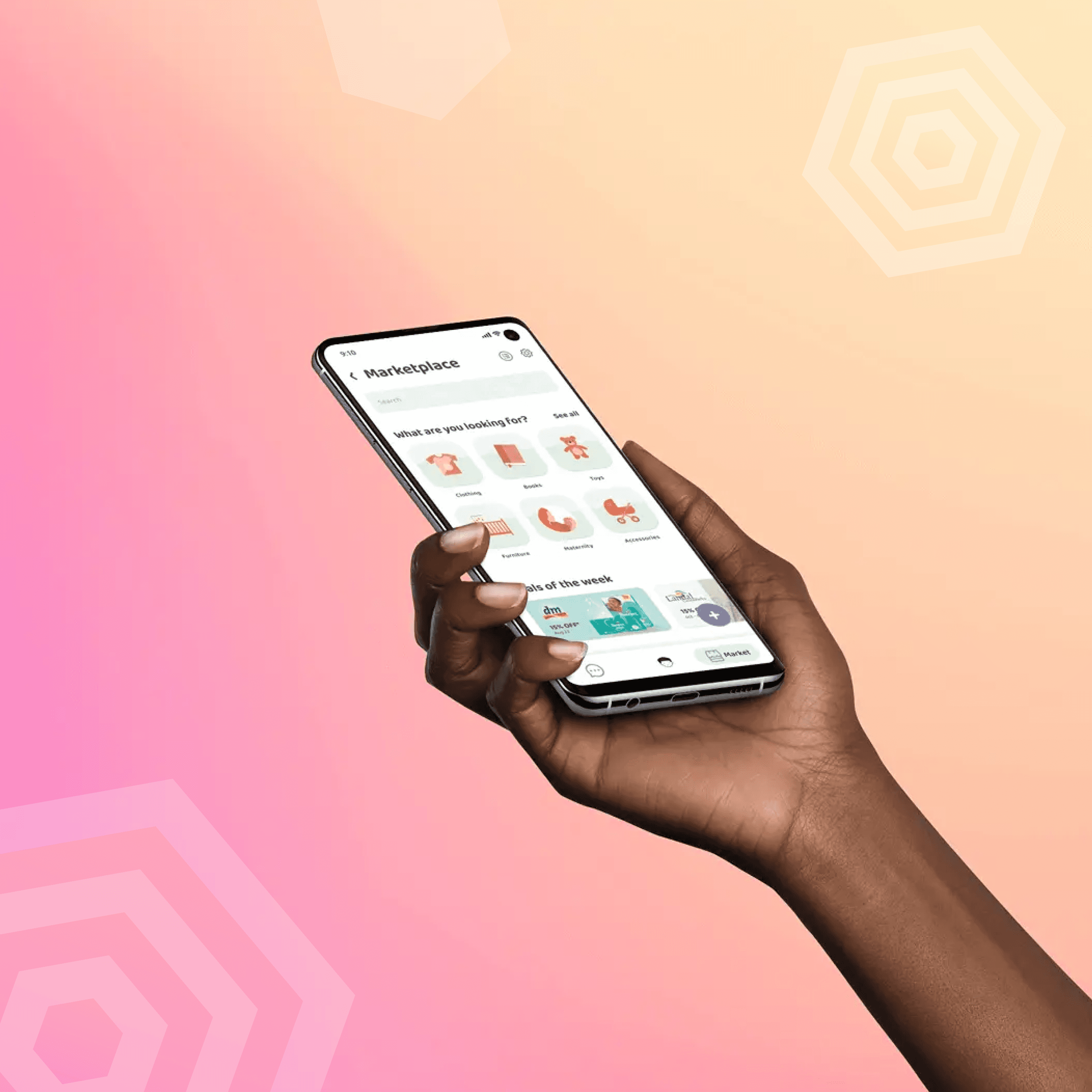
Hoopooh
Designed a second-hand marketplace feature inside a childcare communication app, enabling parents to buy and sell children’s items without leaving the ecosystem.